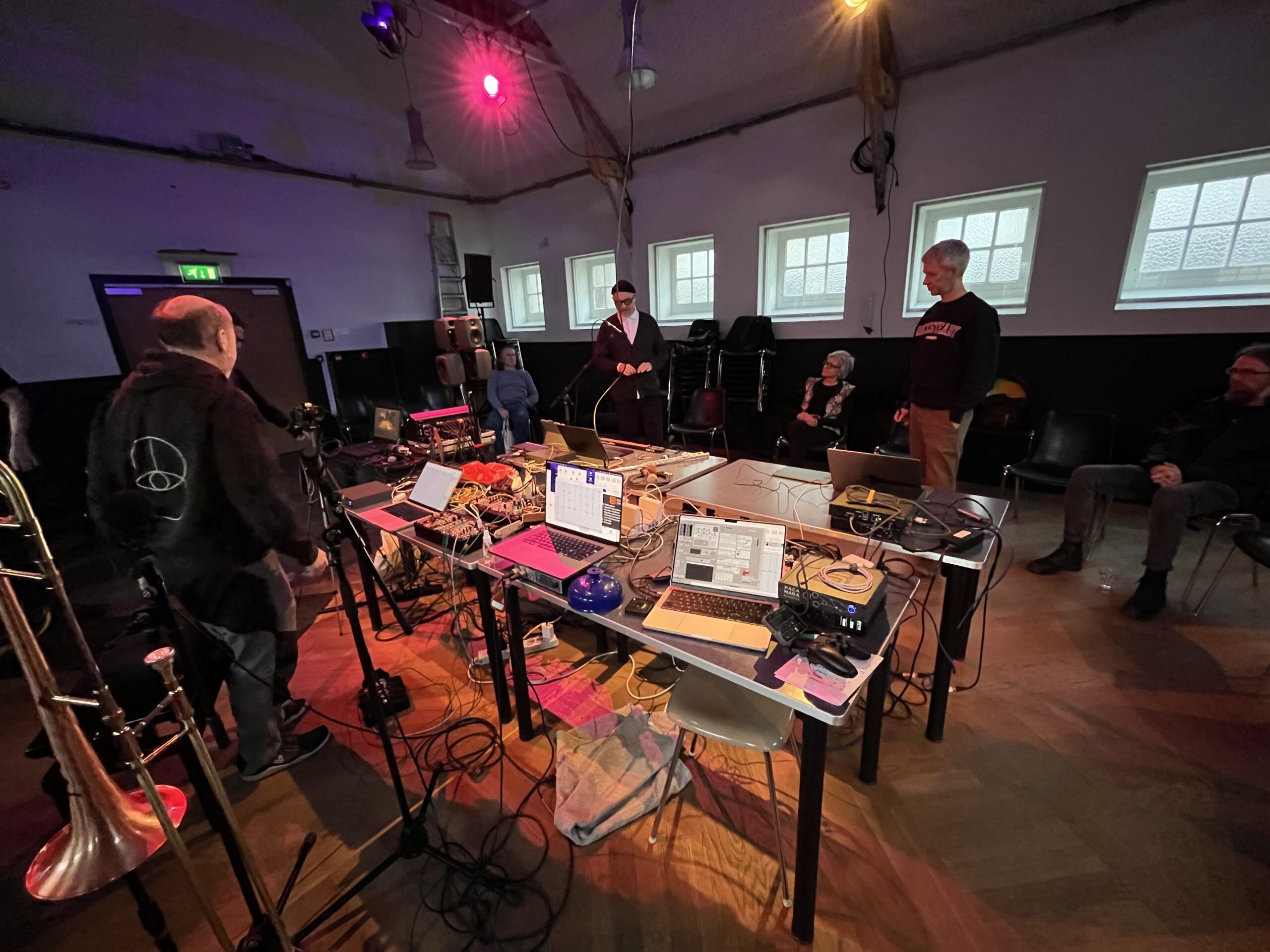
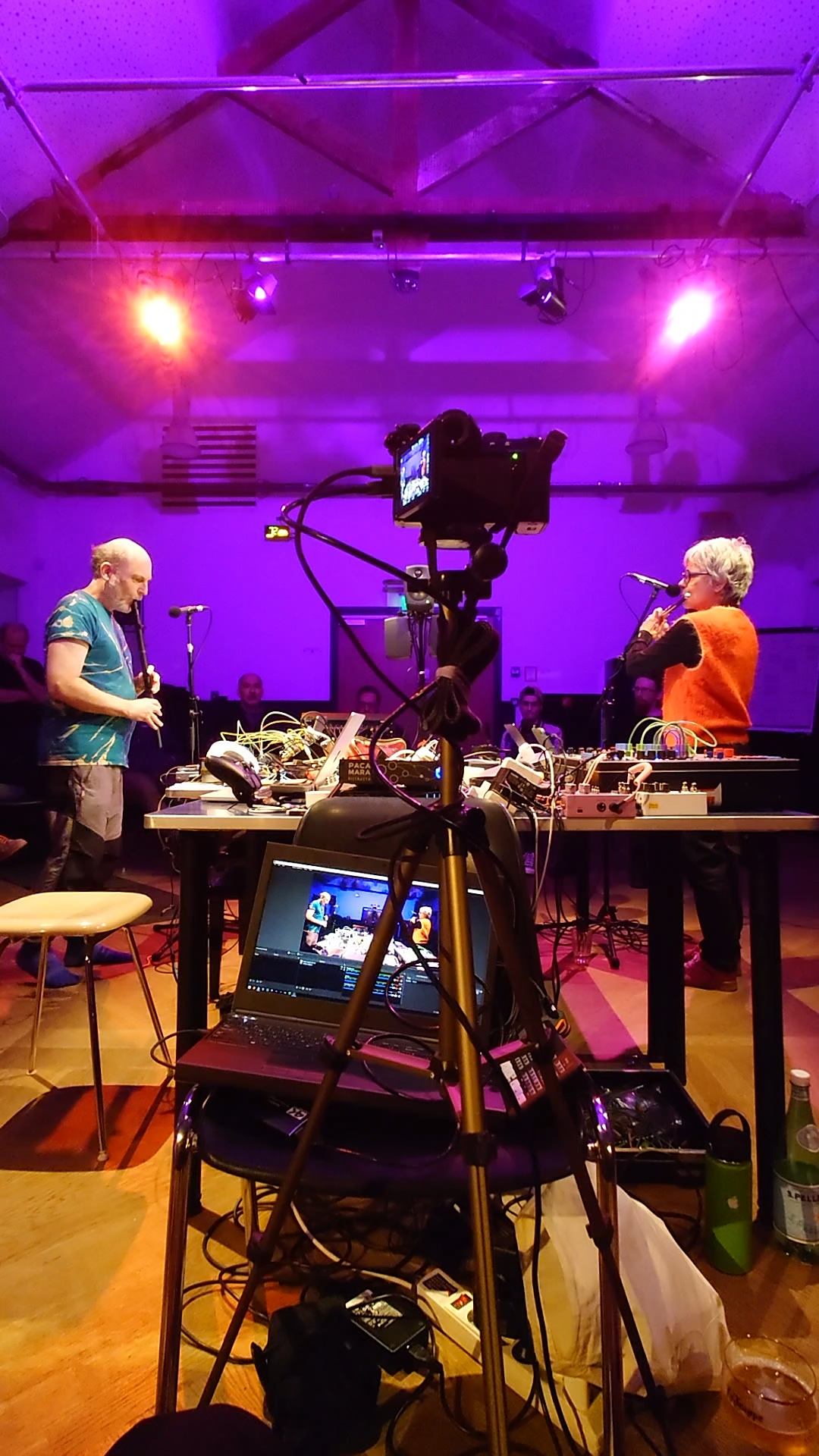
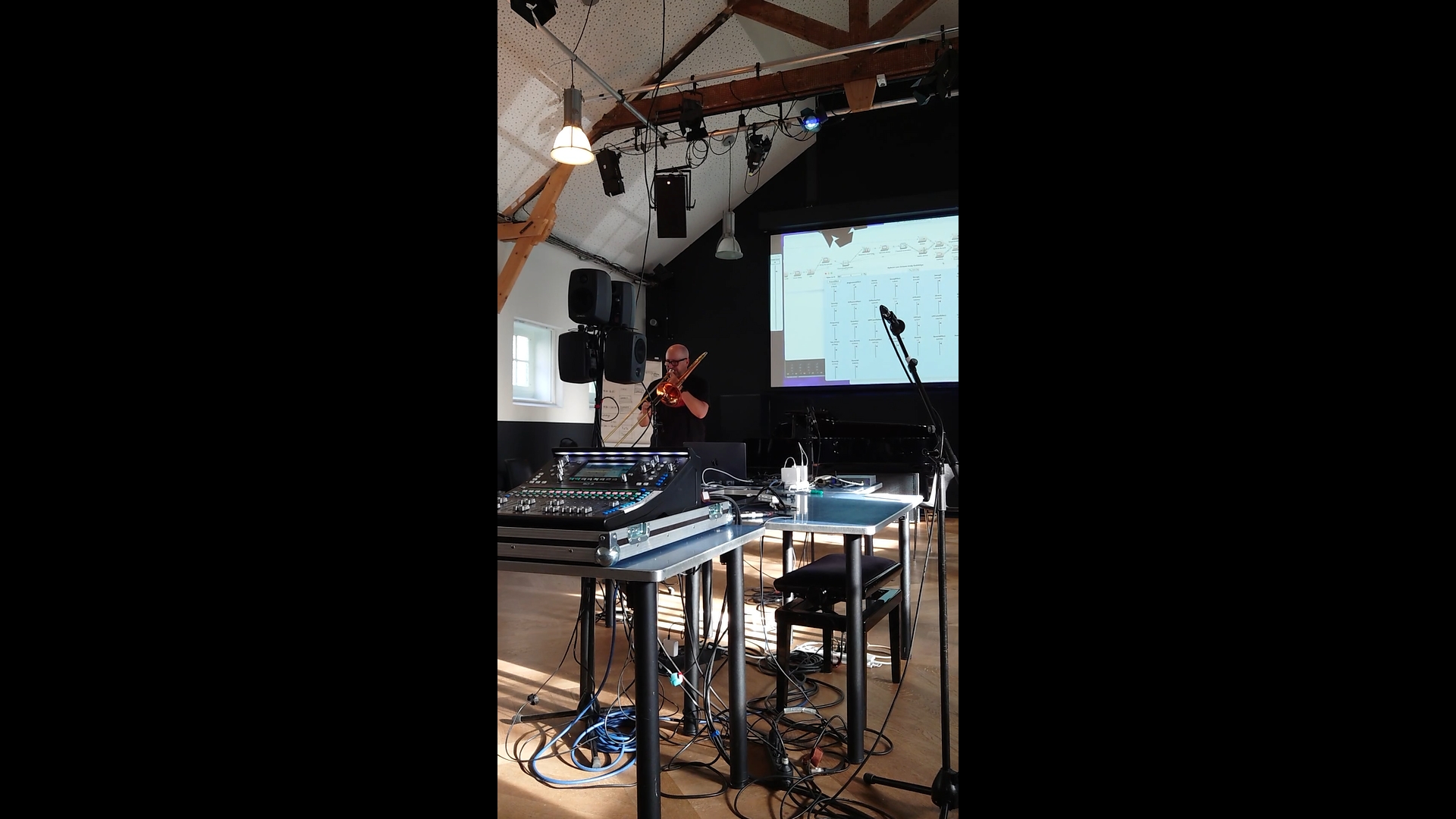
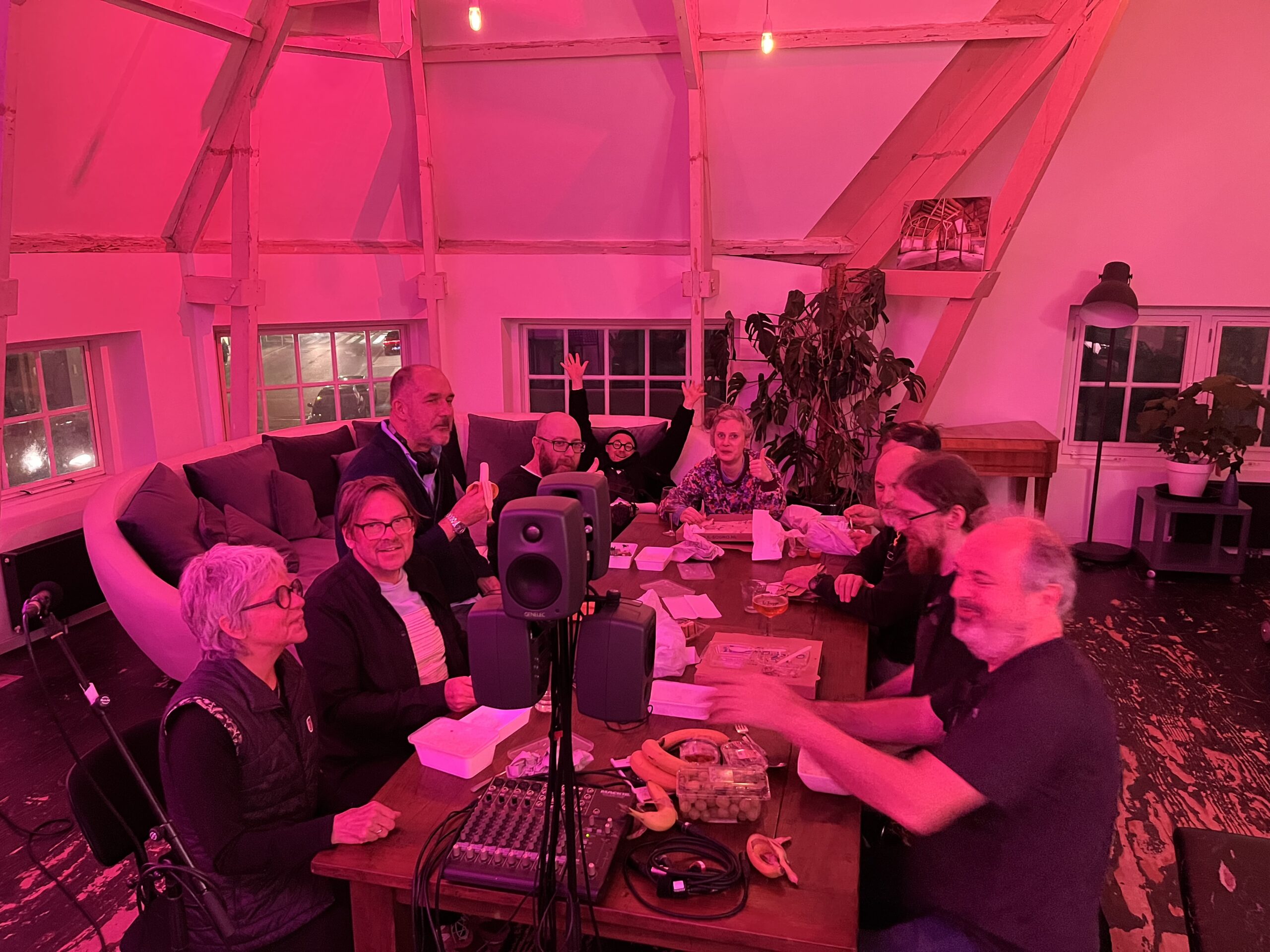
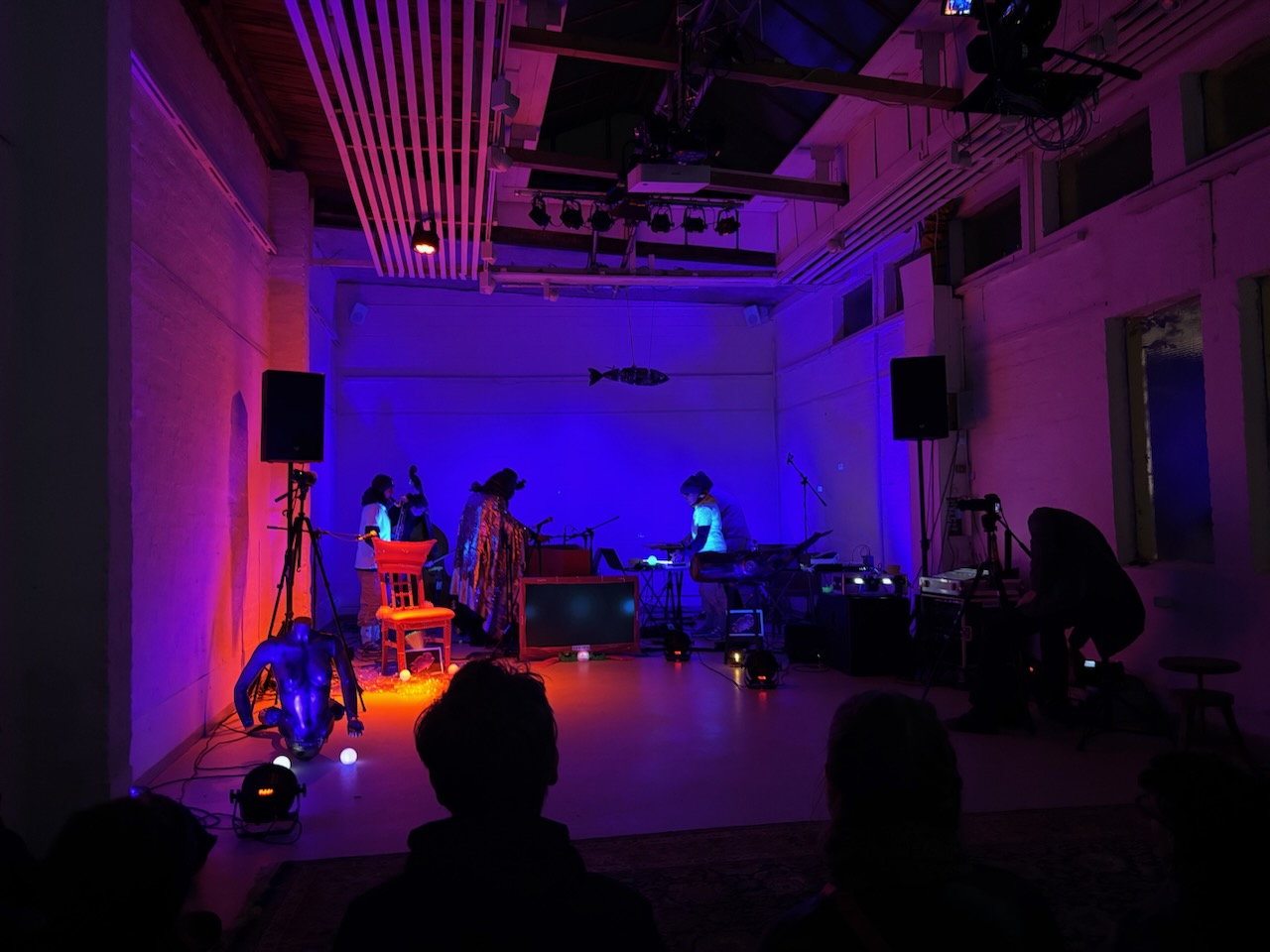
Remember the lockdowns? Throughout those bleak days when musicians couldn’t perform in public, a small group of Kyma artists managed to find a way to continue meeting and making music together via Zoom in two virtual concerts they called Toe and Shell. In early November 2024 they decided to meet in person at Splendor, a former bathhouse that Anne La Berge has converted into a musical mecca in the center of Amsterdam, The Netherlands.
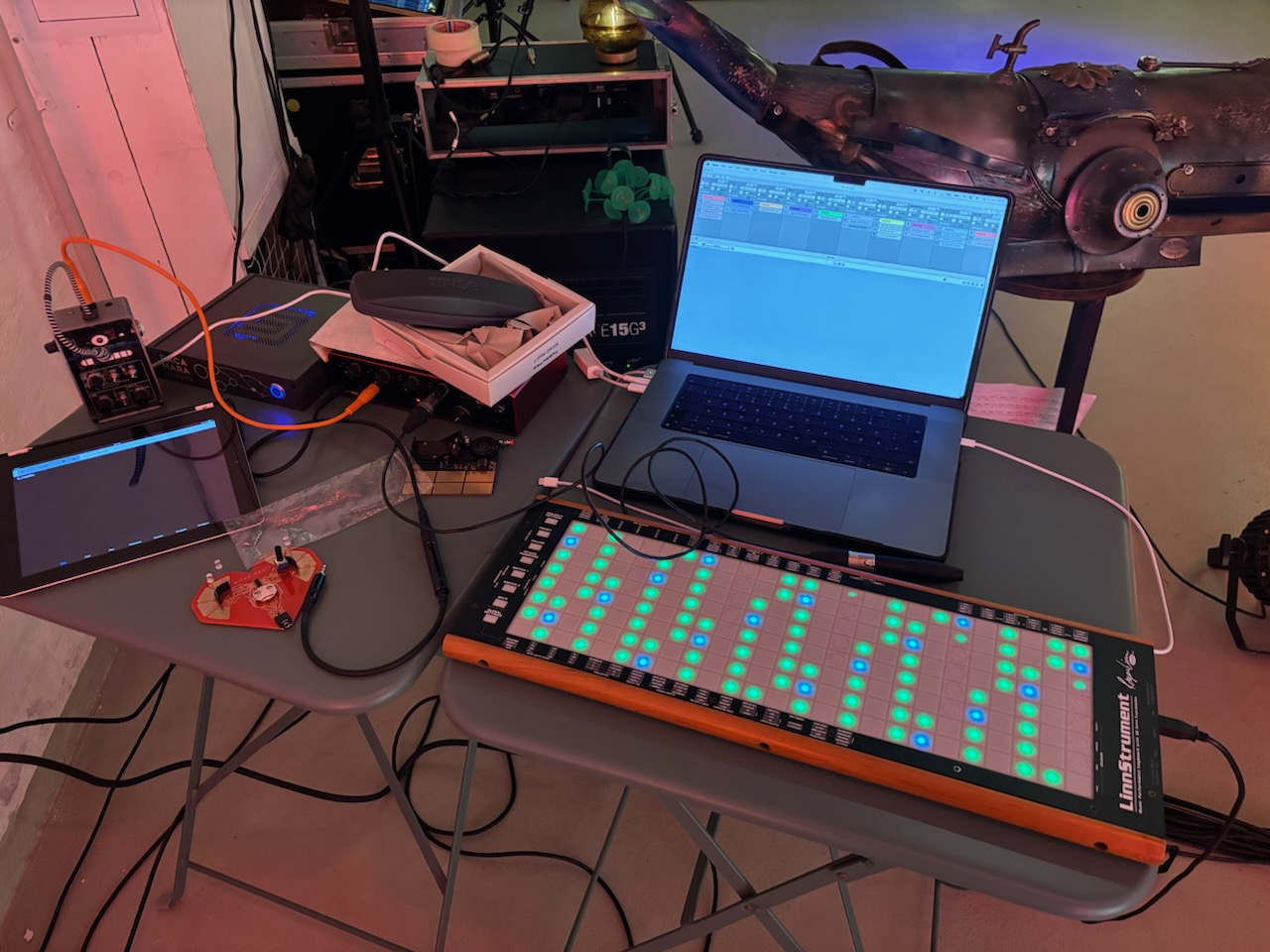
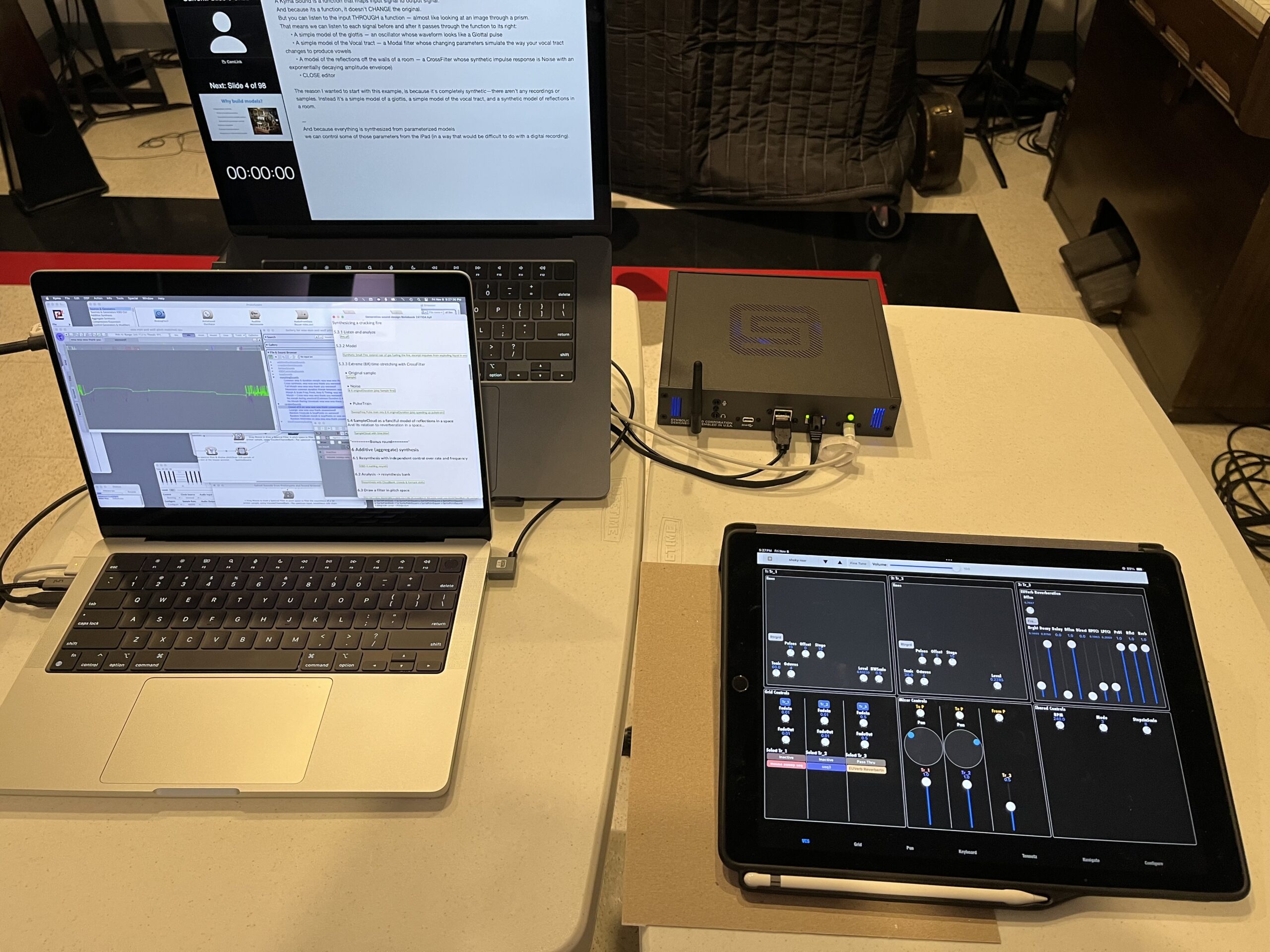
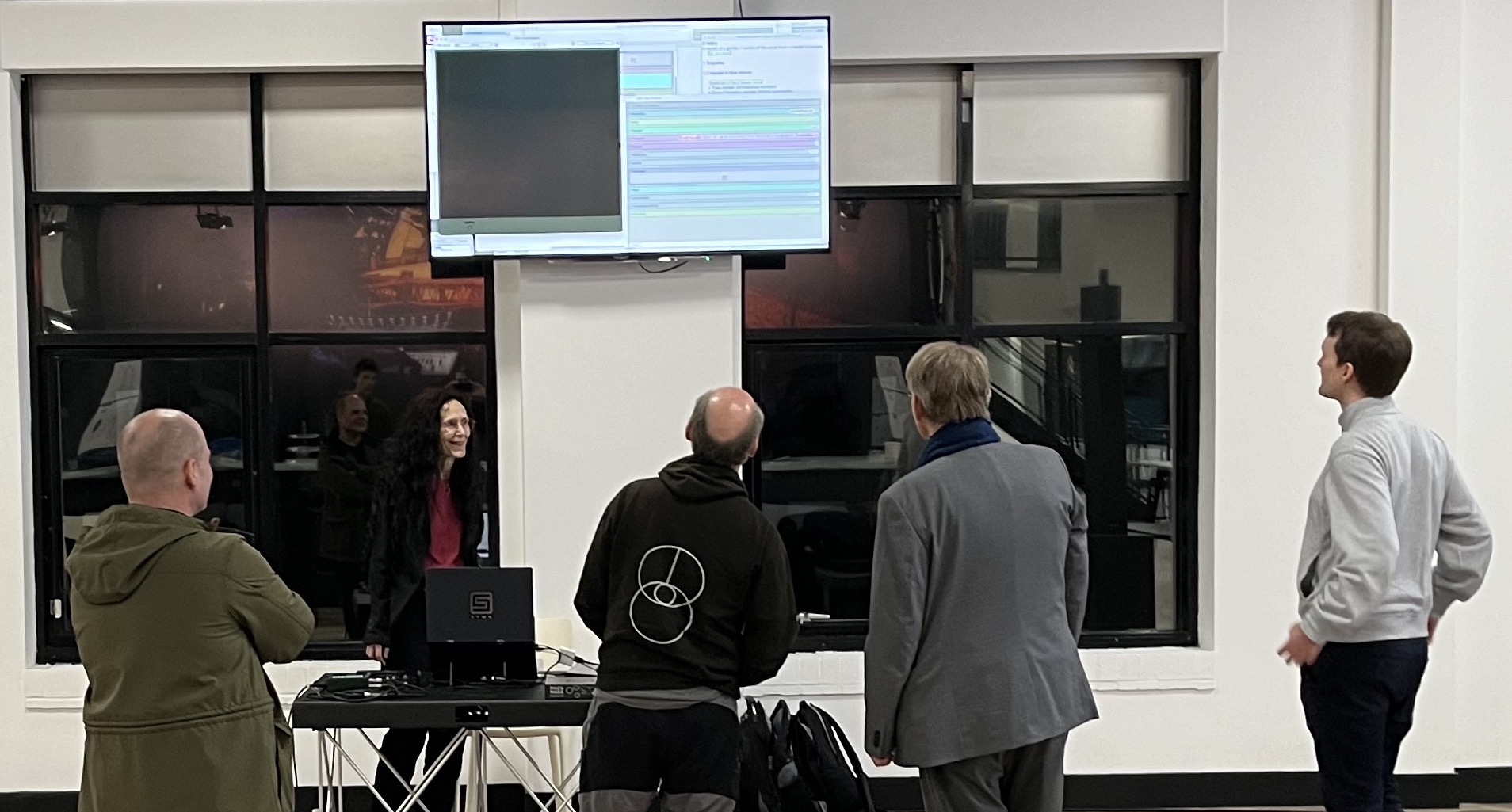
Setting up for a multi-system jam session
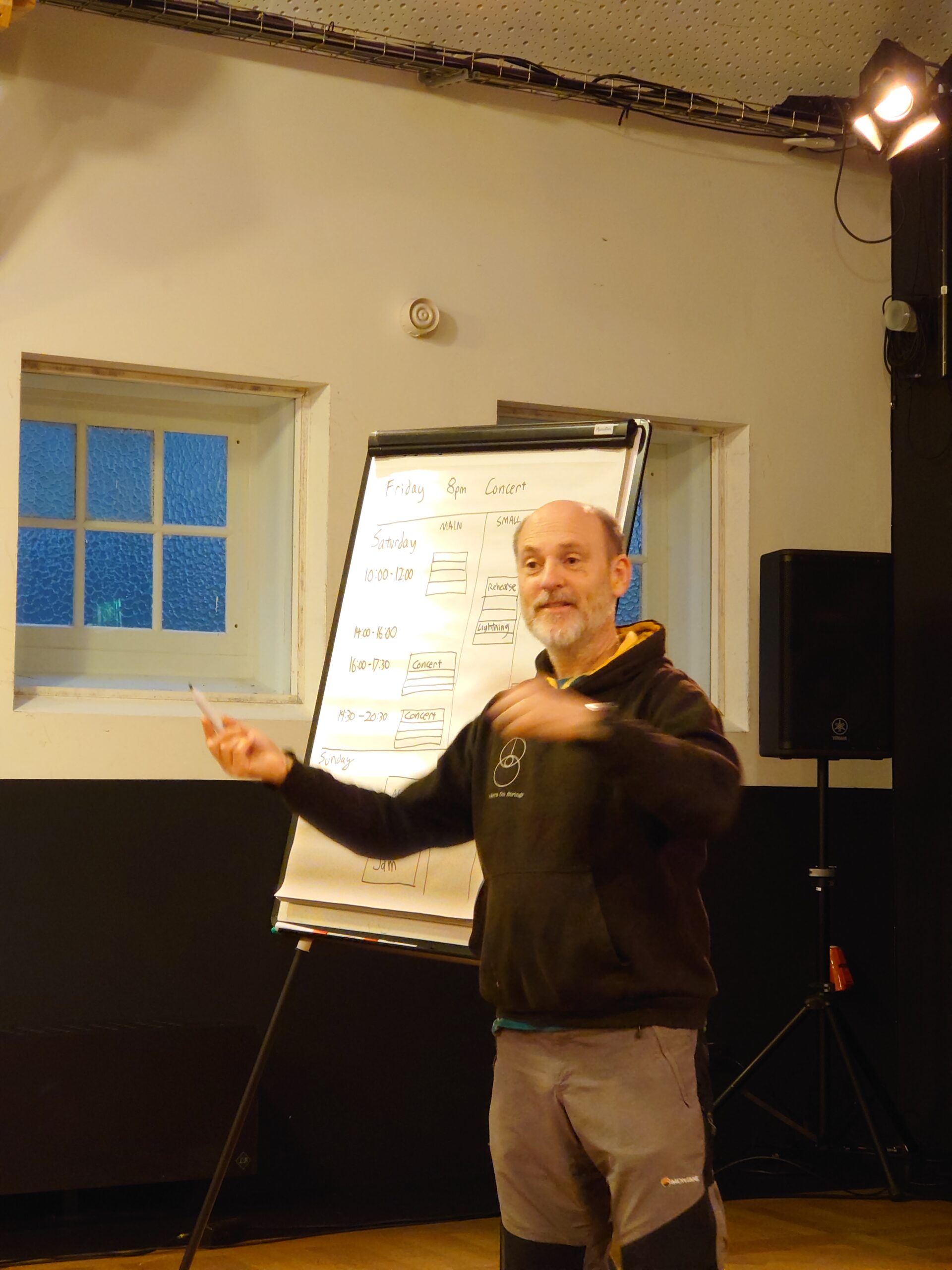
The first order of business was for the participants to collectively agree on a schedule of presentations, discussions, and public concerts. Then, over the course of the three day meetup, everyone had a chance to ask questions, experiment, share expertise, and improvise together.
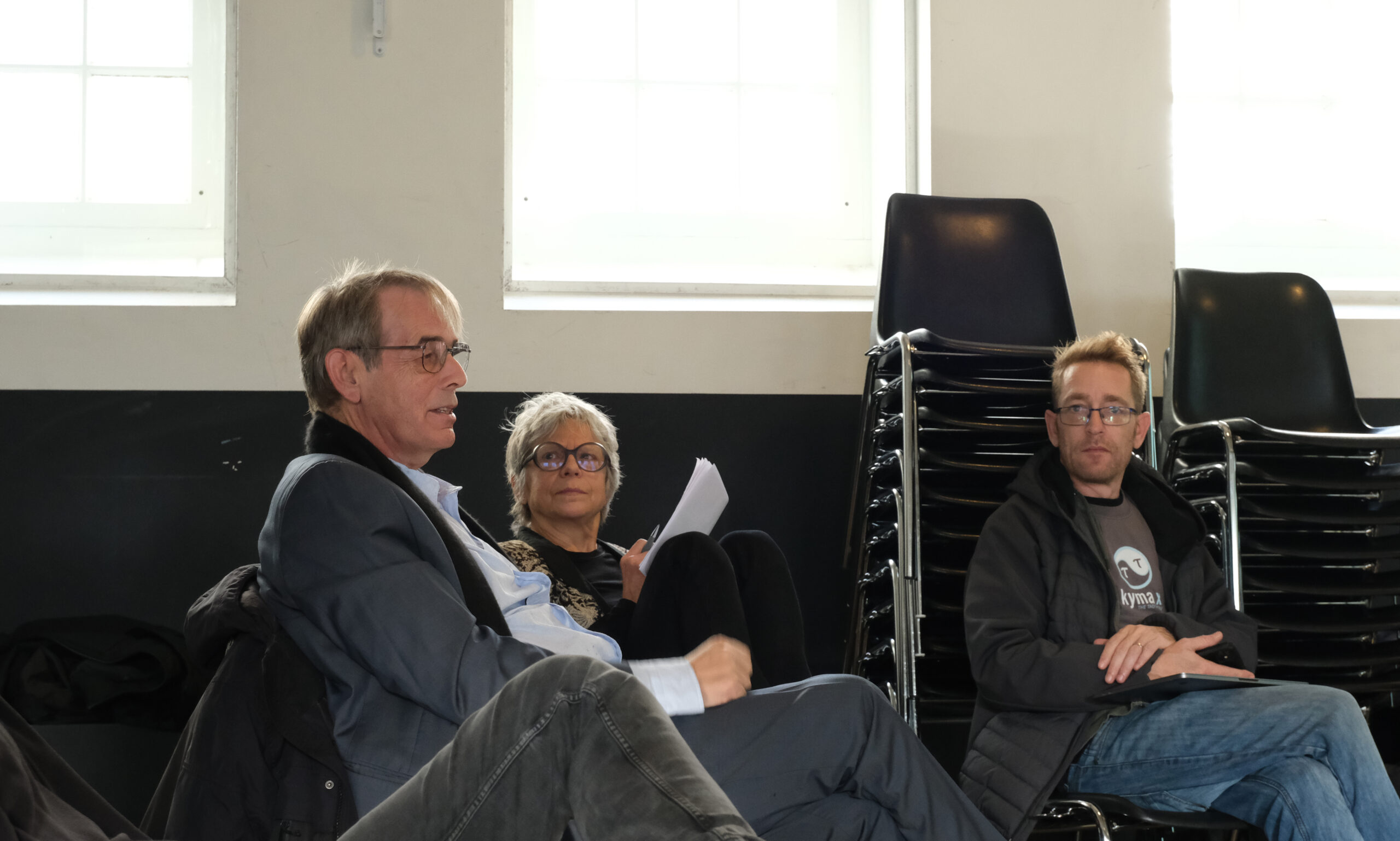
Pete Johnston, Anne La Berge, Charlie Norton sharing expertise
At the IRCAM Forum Workshops @Seoul 6-8 November 2024, composer Steve Everett presented a talk on the compositional processes he used to create FIRST LIFE: a 75-minute mixed media performance for string quartet, live audio and motion capture video, and audience participation.
FIRST LIFE is based on work that Everett carried out at the Center of Chemical Evolution, a NSF/NASA funded project at multiple universities to examine the possibility of the building blocks of life forming in early Earth environments. He worked with stochastic data generated by Georgia Tech biochemical engineer Martha Grover and mapped them to standard compositional structures (not as a scientific sonification, but to help educate the public about the work of the center through a musical performance).
Data from IRCAM software and PyMOL were mapped to parameters of physical models of instrumental sounds in Kyma. For example, up to ten data streams generated by the formation of monomers and polymers in Grover’s lab were used to control parameters of the “Somewhat stringish” model in Kyma (such as delay rate, BowRate, position, decay, etc). Everett presented a poster about this work at the 2013 NIME Conference in Seoul, and has uploaded some videos from the premiere of First Life at Emory University.
Currently on the music composition faculty of the City University of New York (CUNY), Professor Everett is teaching a doctoral seminar on timbre in the spring (2025) semester and next fall he will co-teach a course on music and the brain with Patrizia Casaccia, director of the Neuroscience Initiative at the CUNY Advanced Science Research Center.
A highlight of this year’s Cortona Sessions for New Music will be Special Guest Artist, Anne La Berge. Known for her work blending composed and improvised music, sound art, and storytelling, Anne will be working closely with composers and will be coaching performers on improvisation with live Kyma electronics!
Anne La Berge at KISS2017
The Cortona Sessions for New Music is scheduled for 20 July – 1 August 2025 in Ede, Netherlands, and includes twelve days of intensive exploration of contemporary music, collaboration, and discussions on what it takes to make a career as a 21st-century musician.
Anne is eager to work with instrumentalists and composers looking to expand their solo or ensemble performances through live electronics, so if you or someone you know is interested in working with Anne this summer, consider applying for the 2025 Cortona Sessions!
Applications are open now (Deadline: 1 February 2025). You can apply as a Composer, a Performer, or as a Groupie (auditor). A full-tuition audio/visual fellowship is available for applicants who can provide audio/visual documentation services and/or other technological support.
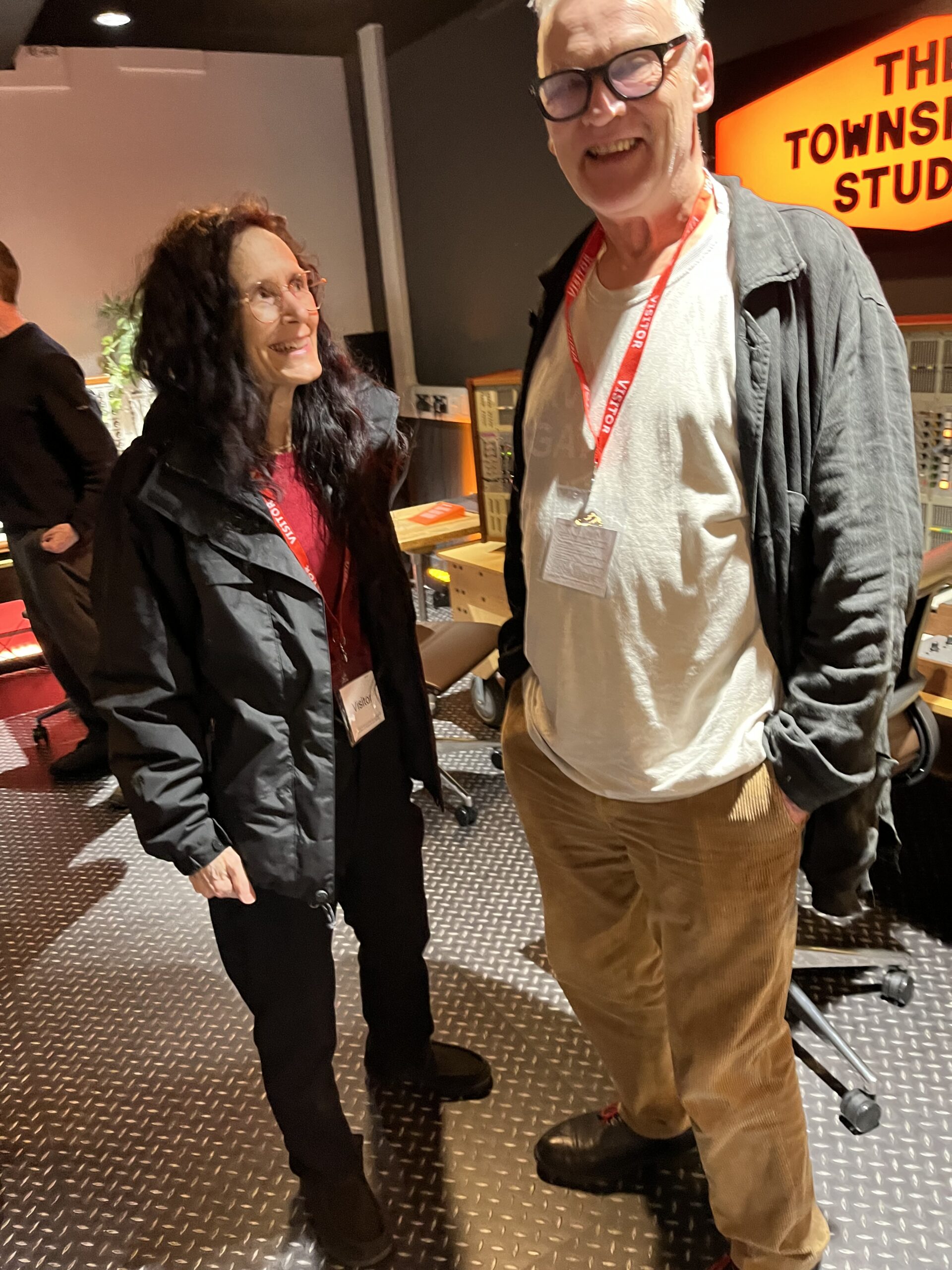
At the invitation of UWL Lecturer Charlie Norton, Carla Scaletti presented a lecture/demonstration on Generative Sound Design in Kyma for students, faculty and guests at University of West London on 14 November 2024. As an unanticipated prelude, Pete Townshend (who, along with Joseph Townshend, works extensively with Kyma) welcomed the Symbolic Sound co-founders to his alma mater and invited attendees to tour the Townshend Studio following the lecture.
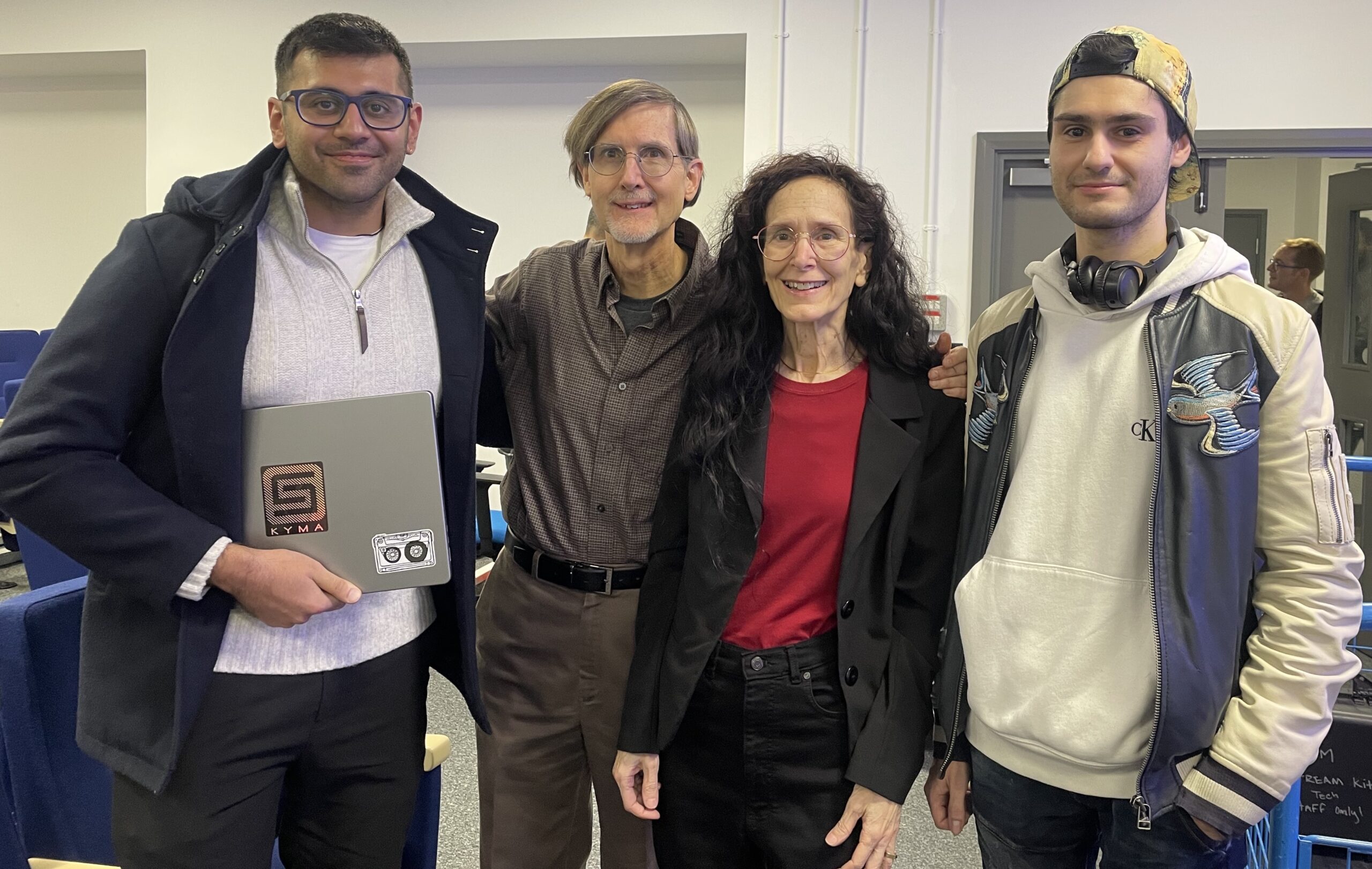
After the seminar, graduating MA students Vinayak Arora and Sabin Pavel (hat) posed with Kurt Hebel & Carla Scaletti (center) and Charlie Norton (distant upper right background)UWL Professor of Music Production Justin Paterson and Trombonist/Composer/Kyma Sound Installation artist Robert Jarvis discuss the extensive collection of instruments in the Townshend Studio
It seems that anywhere you look in the Townshend Studio, you see another rock legend. John Paul Jones (whose most recent live Kyma collaborations include Sons of Chipotle, Minibus Pimps, and Supersilent among others) recognized an old friend from across the room: a Yamaha GX-1 (1975), otherwise known as ‘The Dream Machine’ — the same model JPJ played when touring with Led Zeppelin and when recording the 1979 album “In Through The Out Door”. Yamaha’s first foray into synthesizers, only 10 were ever manufactured; it featured a ribbon controller and a keyboard that could also move laterally for vibrato. Other early adopters included ELP, Stevie Wonder and Abba.
JPJ recollects his days of touring with the GX1 and the roadie who took up temporary accommodation in its huge flight case, as Alan, two students, Bruno and Robert look on.Charlie Norton with Alan Jackson (back), JP Jones (at Yamaha GX-1), Carla Scaletti & Kurt Hebel in the Townshend StudioAlan Jackson and Pete Johnston pondering the EMS VocoderComposer Bruno Liberda (the tall one) with Symbolic Sound co-founder Carla Scaletti
Franz Danksagmüller has had a densely packed fall 2024 concert season of hyper-organ plus Kyma performances in London, Köln, Helsinki, Lübeck and Berlin.
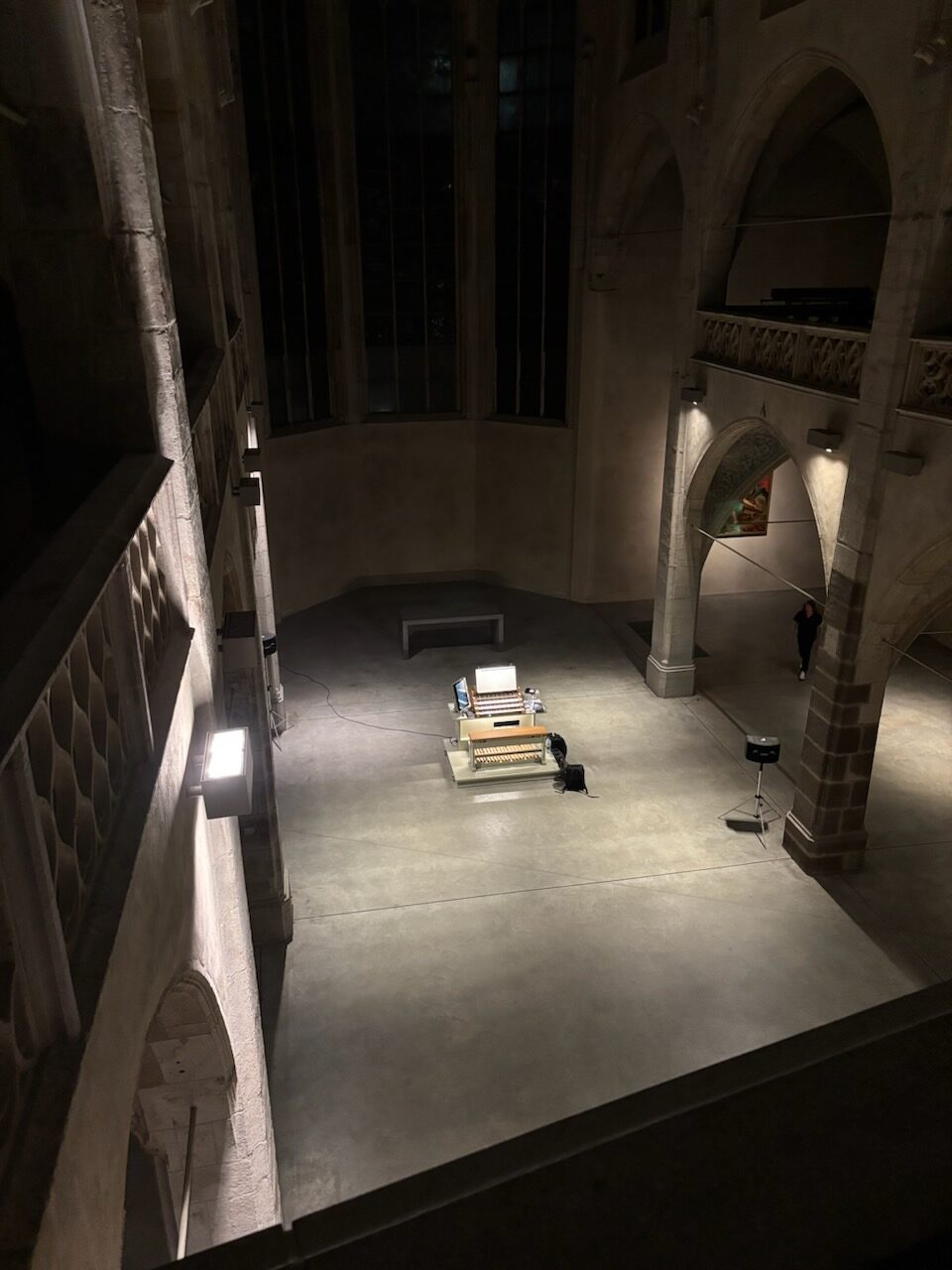
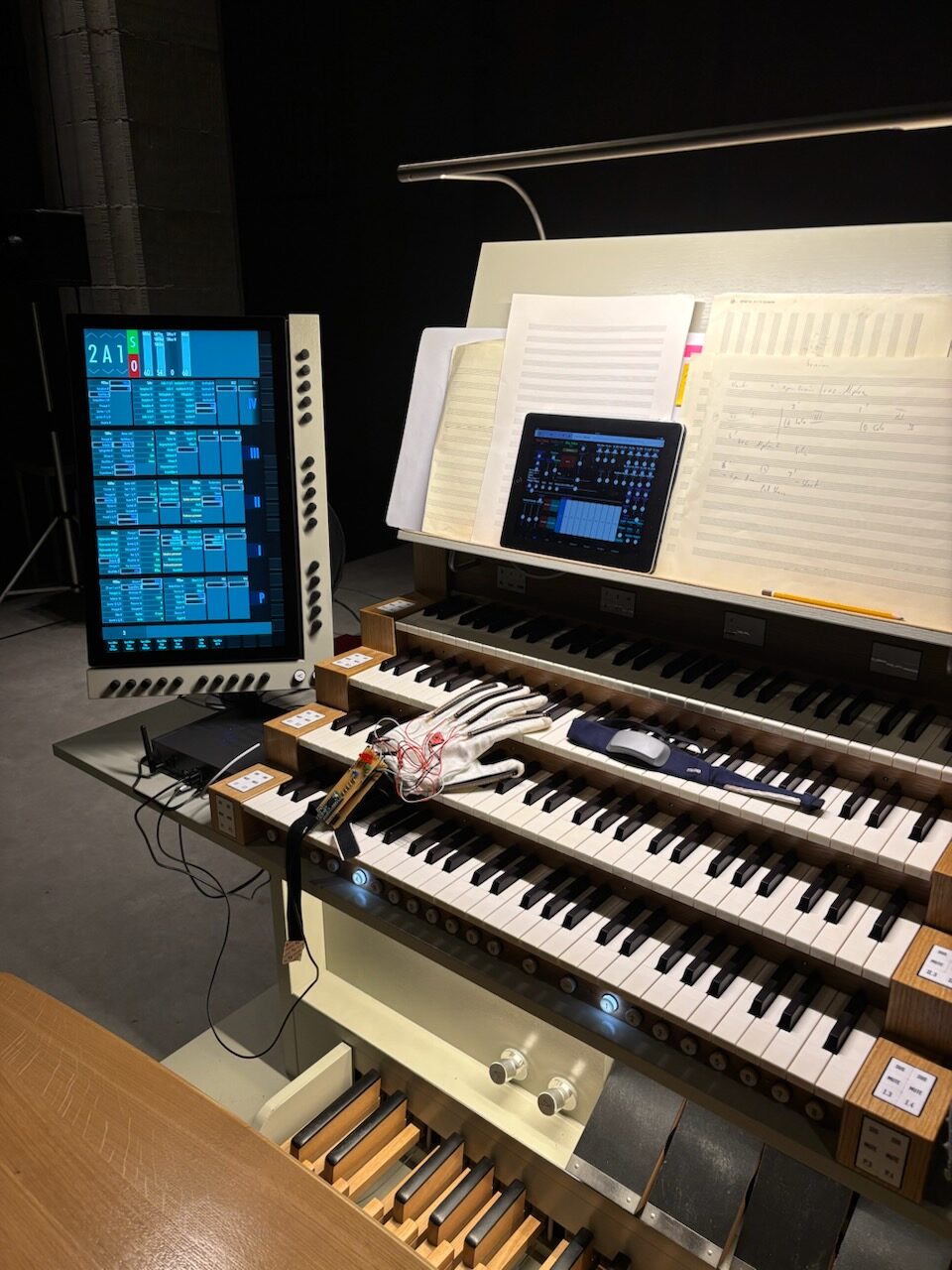
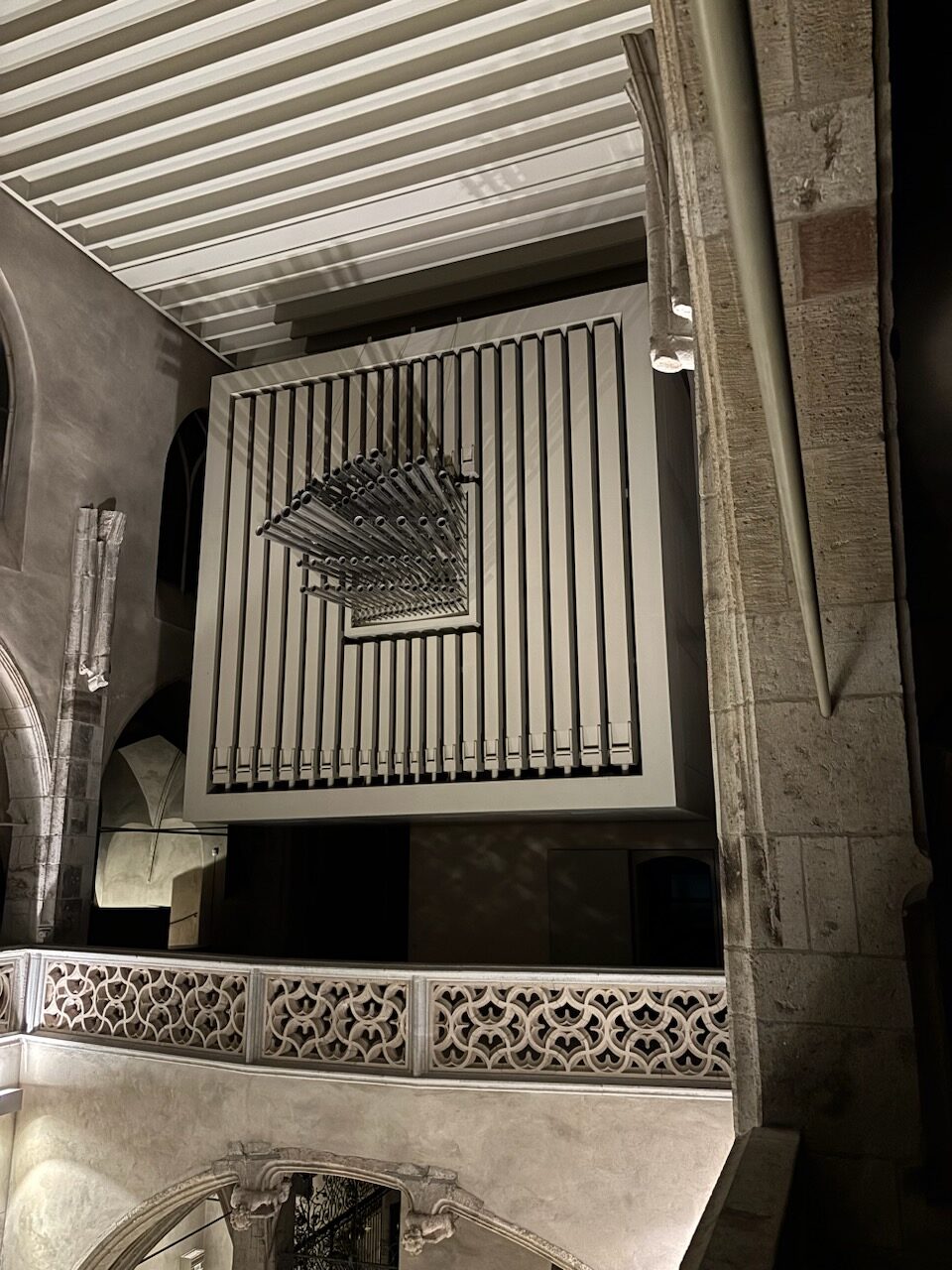
Franz Danksagmüller placing mics inside the organ at Kulturstation St. Peter, Cologne (narrow and treacherous paths…)Cologne, Kunststation St. Peter (which despite it’s name is a functioning church with a congregation and services) – looking down from the balcony to the mobile organ console.Cologne, Kunststation St. Peter organ console with Franz Danksagmüller’s Glove controller and Muse EEG scannerCologne, Kunststation St. Peter, the horizontal trumpets…Cologne, Kunststation St. Peter with paper score & iPad running Kyma Control
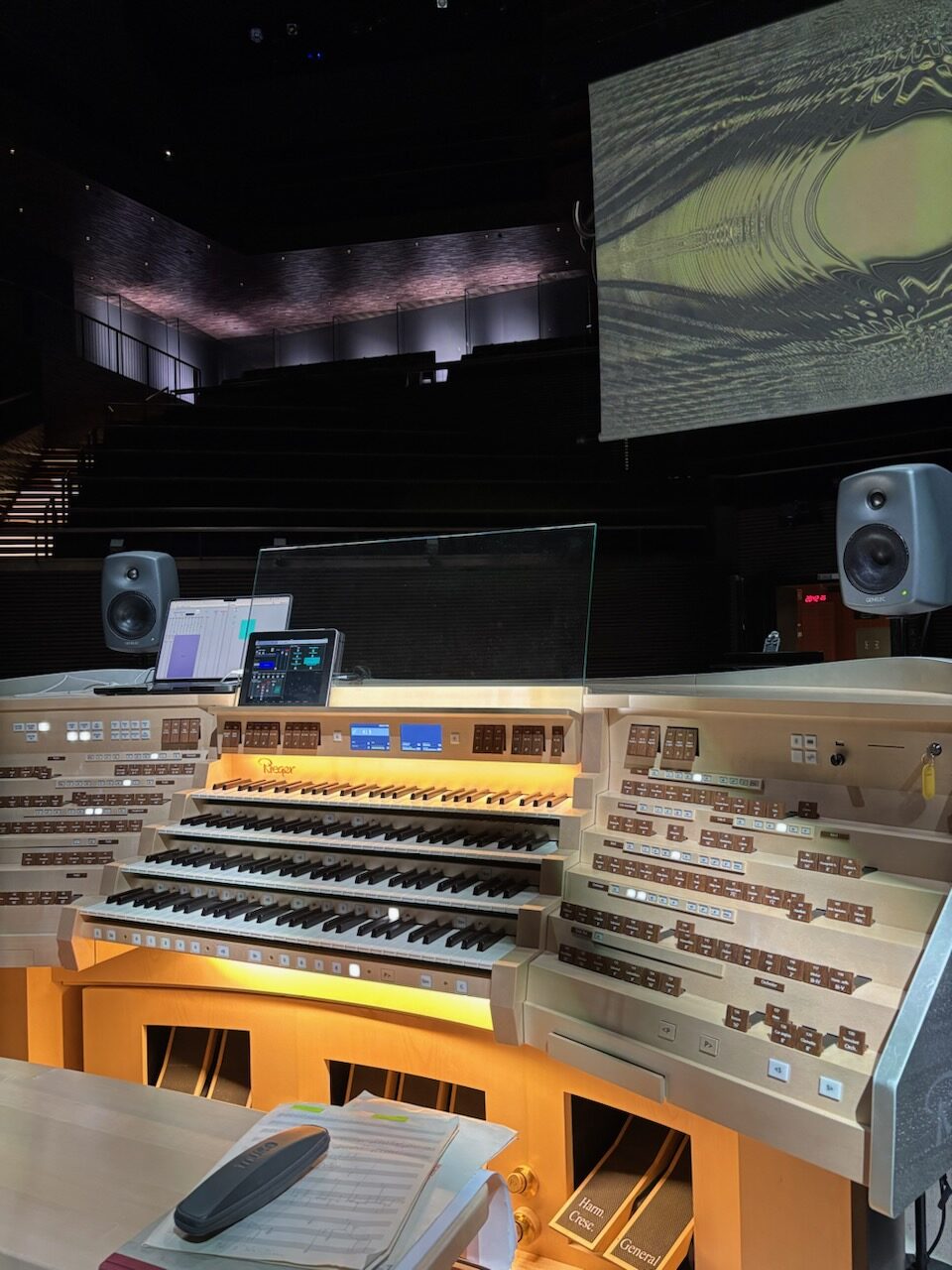
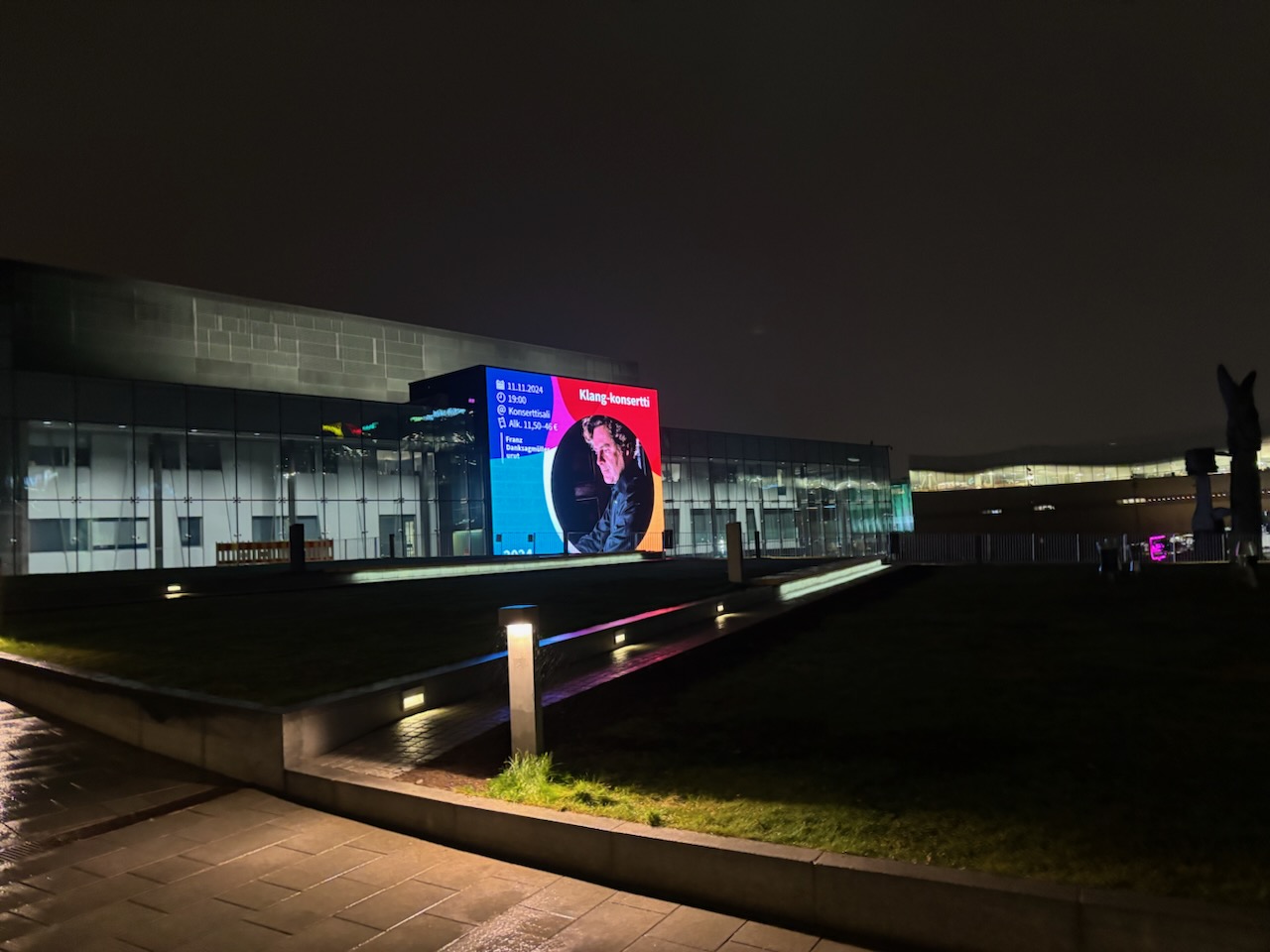
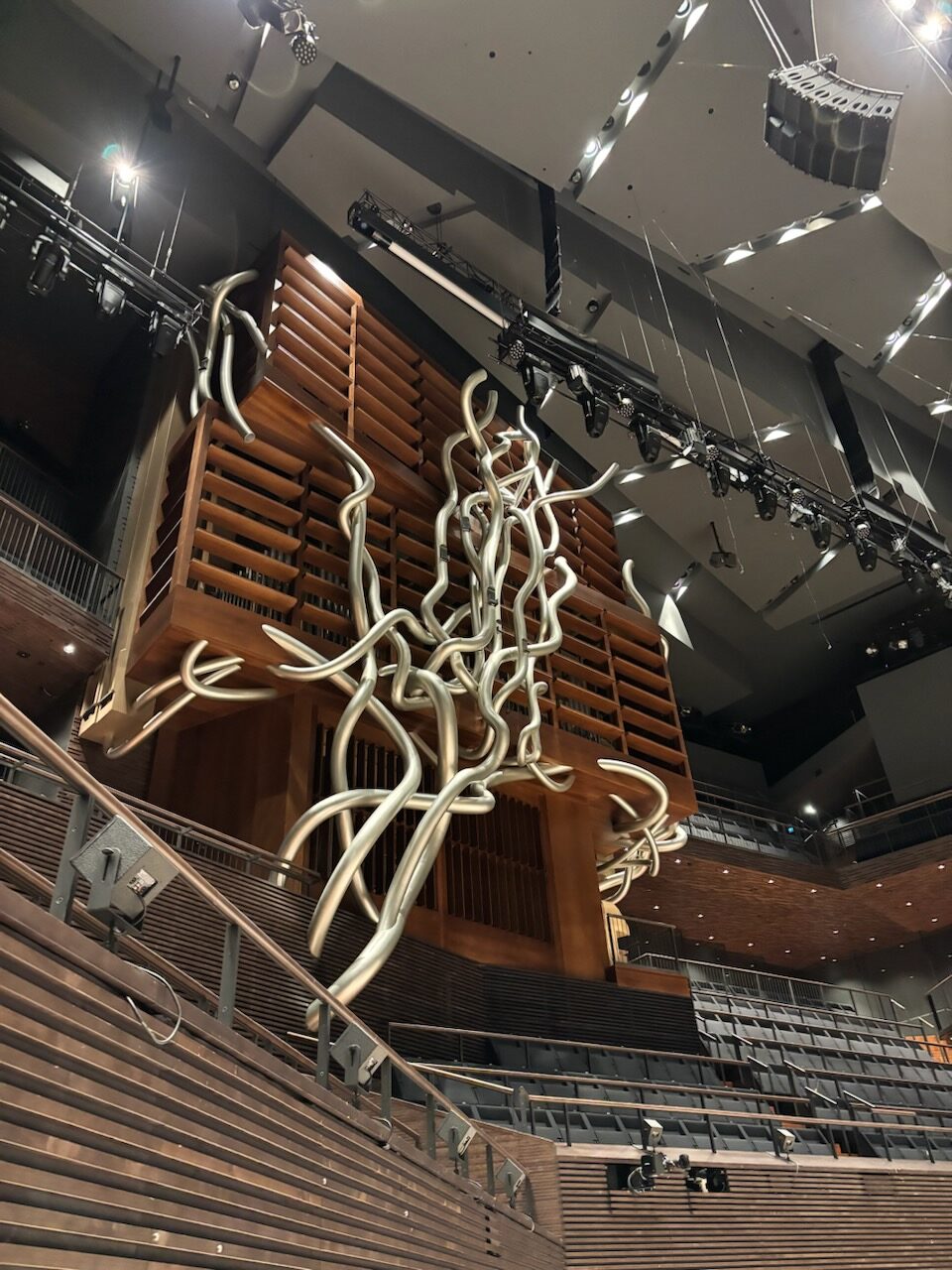
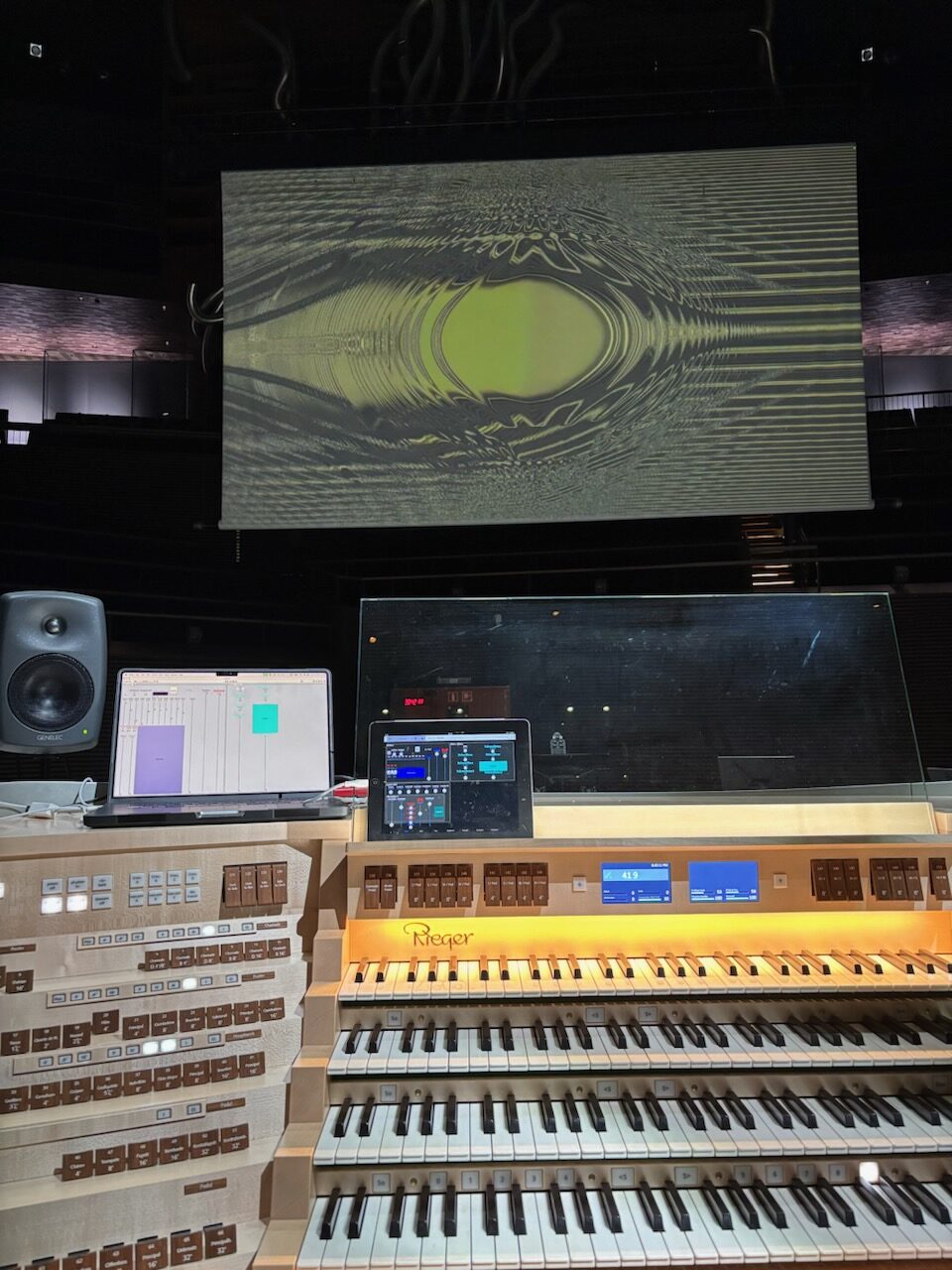
After the film festival at St Albans in London, it was on to Helsinki for Danksagmüller, where he performed with Kyma and the new hyper-organ at the Musiikkitalo on 11 November 2024 — the first time that this organ was played with live-electronics and video! Danksagmüller performed his new composition there is no free will for EEG scanner and Kyma and a live-electronics “remix” of a prelude by D. Buxtehude.
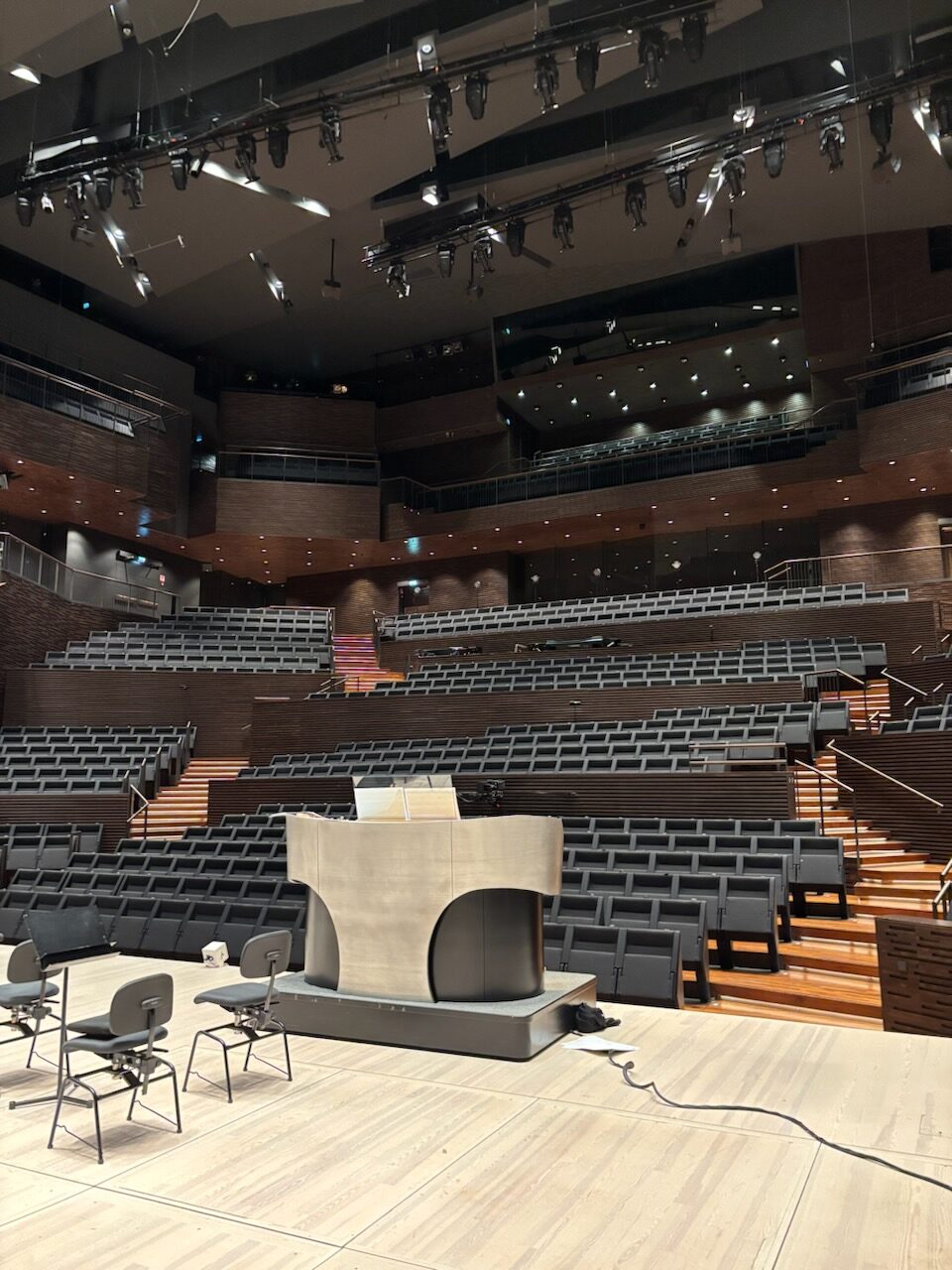
Helsinki, Musiikkitalo, view from the stage of the organ consoleHelsinki, Musiikkitalo, organ consoleHelsinki, Musiikkitalo, Franz Danksagmüller featured on a sign outside the concert hallHelsinki Musiikkitalo; the entire organ is in a swell box with wooden shutters (in addition to the individual swell boxes) for dynamics. The twisted organ pipes are fully functional!Helsinki organ console with laptop and Kyma Control on iPad
Following the Helsinki performance, Danksagmüller returned to Lübeck to perform an hour-long DJ set with Kyma and variety of controllers for an after party following a concert at the Kunsttankstelle Lübeck.
Lübeck, Kunsttankstelle, Franz Danksagmüller’s live DJ setupKulturtankstelle Lübeck; the first part of the performance (Danksagmüller joined at the end of their first part and played the last part)
And the busy concert season is not over yet! Danksagmüller’s students are performing their own compositions for hyper-organ and Kyma at the Musikhochschule Lübeck on 8 December, and Franz will perform with organ and Kyma in Berlin on Friday the 13th at the Zum Heilbronnen church on their Opposites Attract series. Danksagmüller’s “Light and Shadow” — featuring music by W. Byrd, J. S. Bach and F. Danksagmüller — is framed by other concerts on themes like “Fire and Water”, “Life and Death”, “Beginnings and Endings”, and other evocative opposite-pairings.
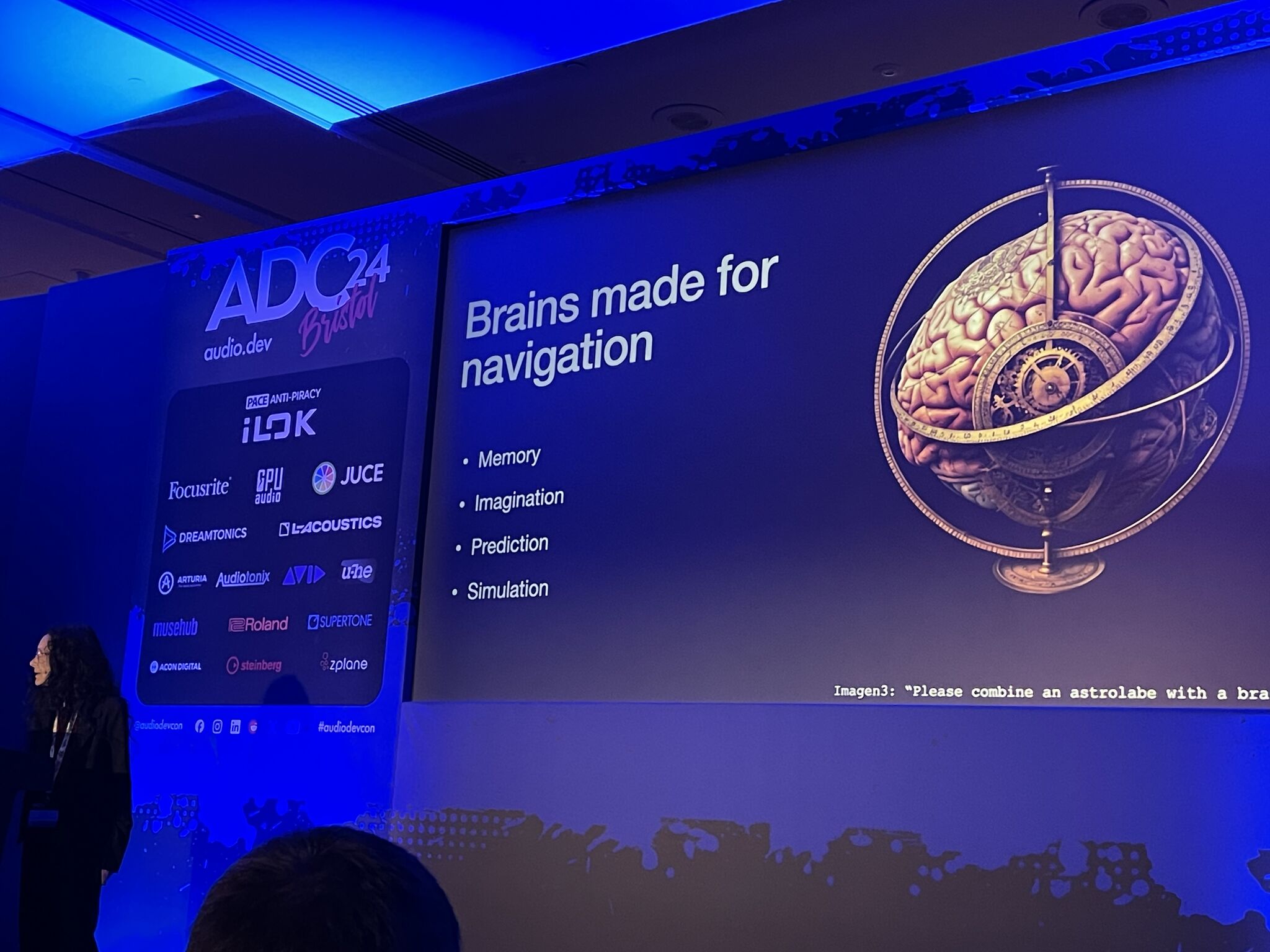
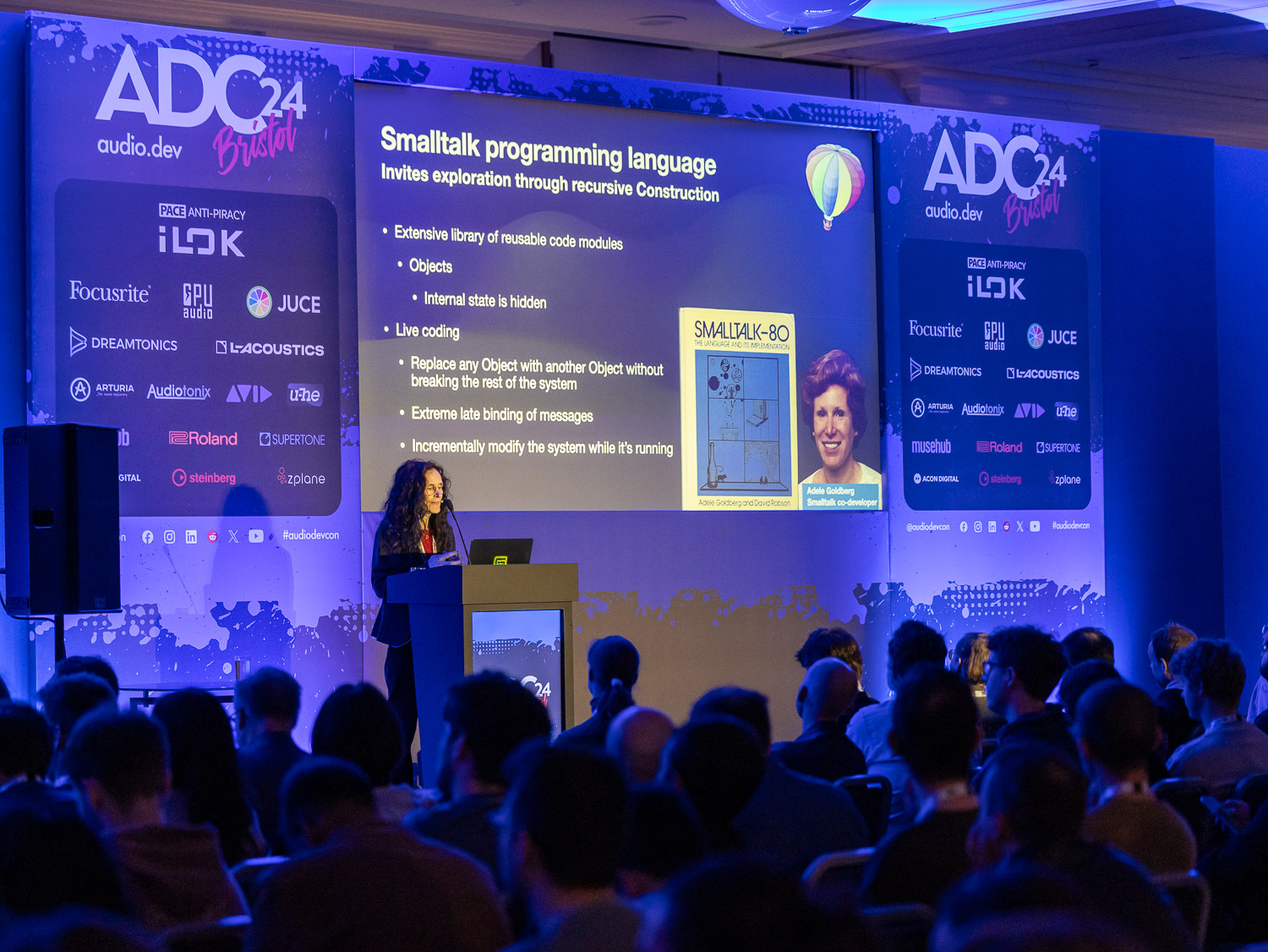
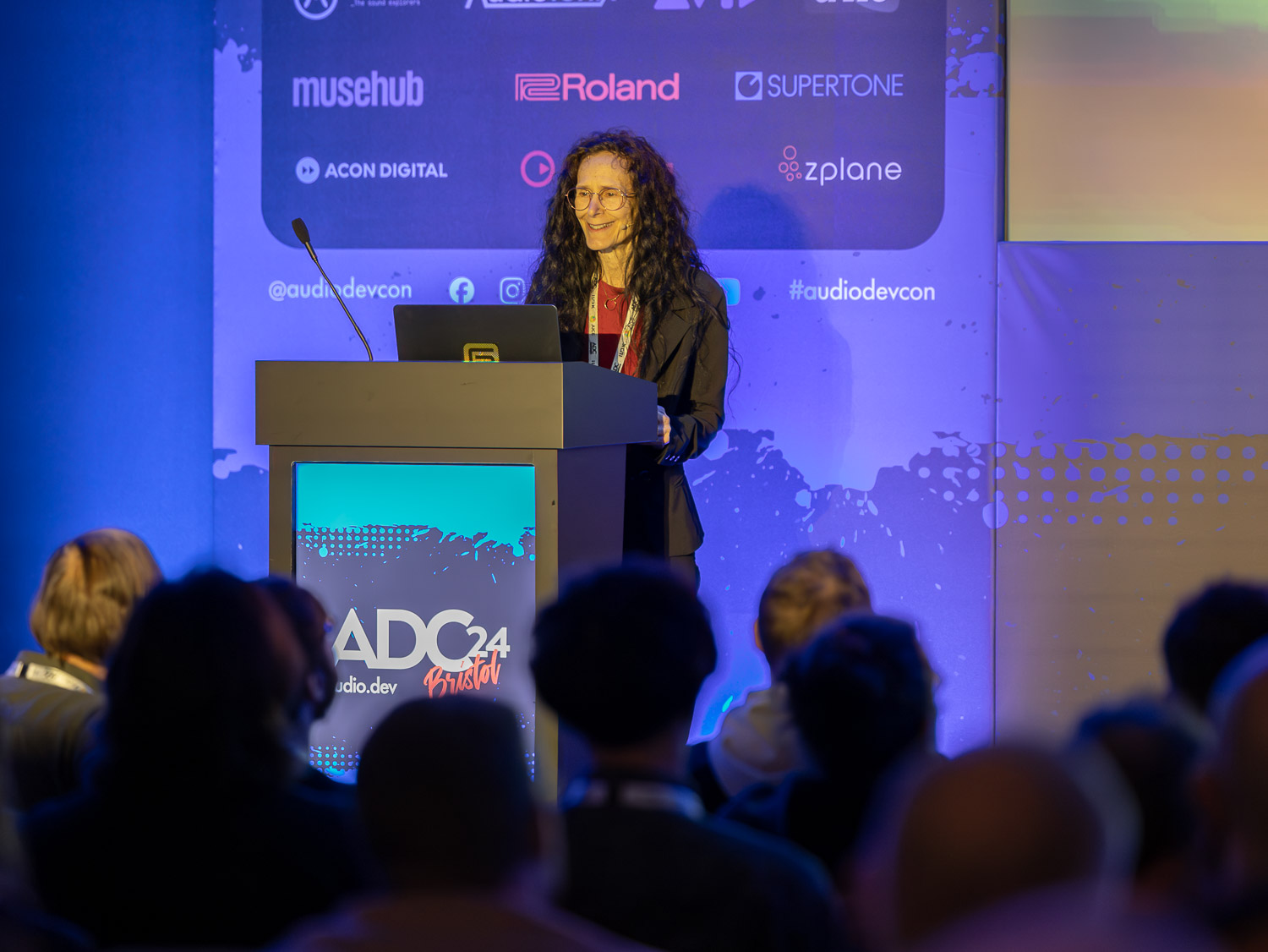
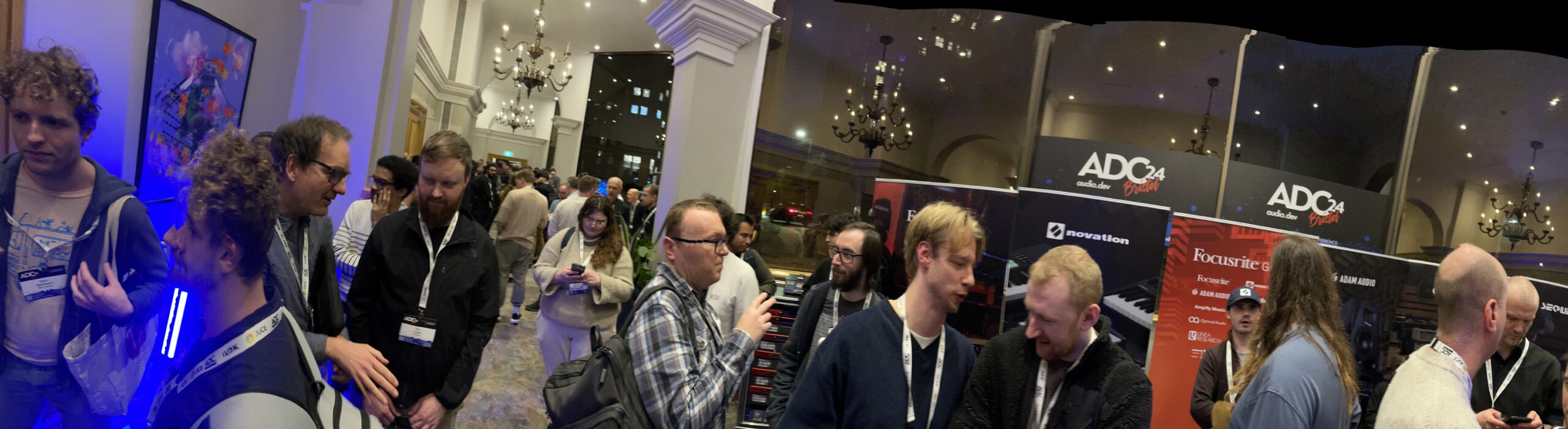
Carla Scaletti, creator of the Kyma language and co-founder of Symbolic Sound, was invited to present the closing keynote for the 2024 Audio Developer Conference in Bristol, UK on 13 November 2024.
Scaletti spoke about strategies for exploring the boundary between the known and the unknown through “recursive construction” and reminded software developers that the risky kinds of thinking required for creating something truly new are best supported by facing the unknown together.
She also touched on some of the design decisions behind the Kyma Sound (why it is a function, rather than a wiring diagram), the ways in which a user-interface defines an explorable universe of computable sound, the influence of programming languages on what you can imagine and create, and the co-evolution of the Kyma hardware and software.
An annual event celebrating all audio development technologies, from music applications and game audio to audio processing and embedded systems, ADC’s mission is to help attendees acquire and develop new skills, and build a network that will support their career development. It also showcases academic research and facilitates collaborations between research and industry. ADC will begin releasing videos of the ADC 2024 presentations on YouTube, beginning in 2025.
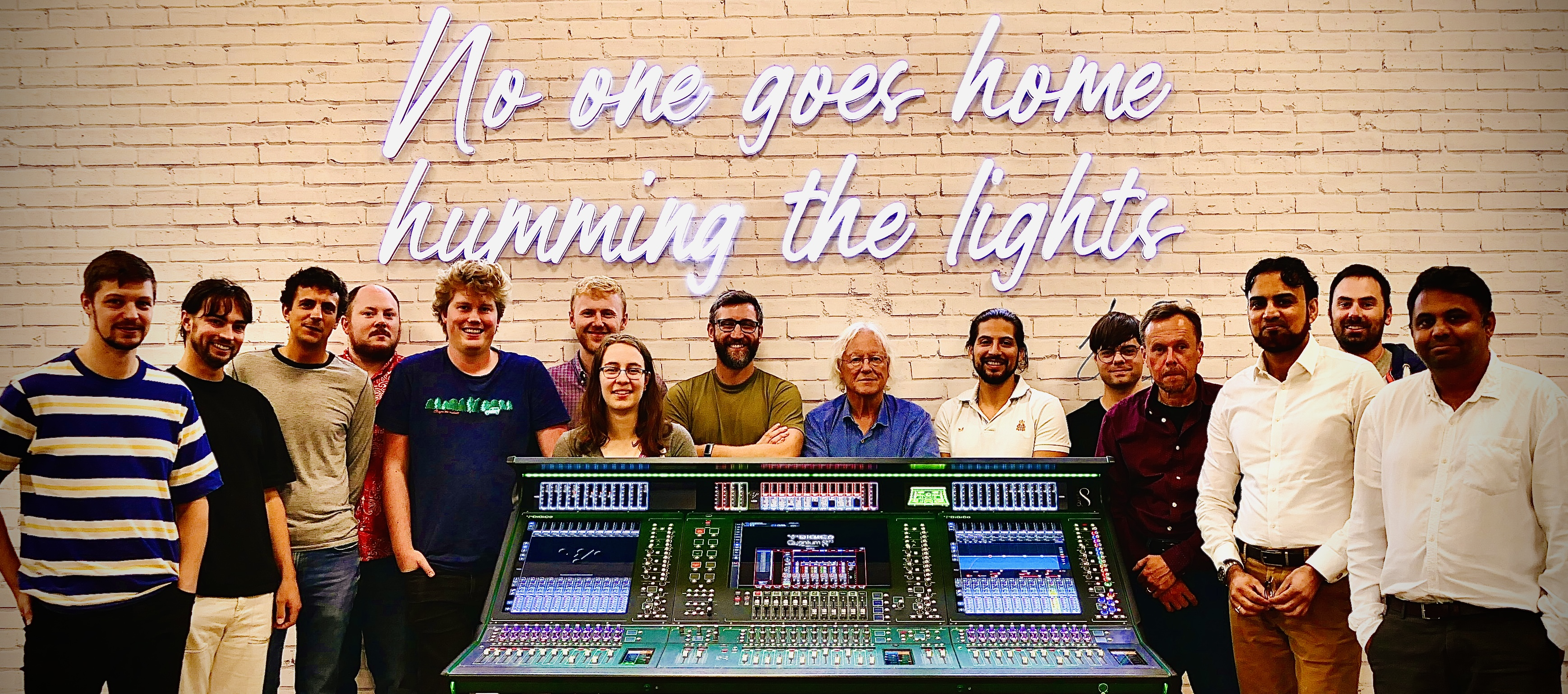
On Friday afternoon, 15 November 2024, Pete Johnston (software department) and Michael Aitchison (head of R&D) invited Carla Scaletti to present a seminar on sound synthesis for the R&D team at DiGiCo.
Following the lecture, Pete Johnston (who routinely prototypes and tests new signal processing algorithms in Kyma first before implementing them on the embedded processors in the live consoles) led the guests on a tour of DiGiCo’s testing facility and answered questions about the fully redundant, live fall-back dual consoles and the on-call 24/7 worldwide user support that DiGiCo provides for their live pro consoles.
Matt, Carla, Alan, Pete, and Robin discussing Capytalk expressions after the lecture at DiGiCo
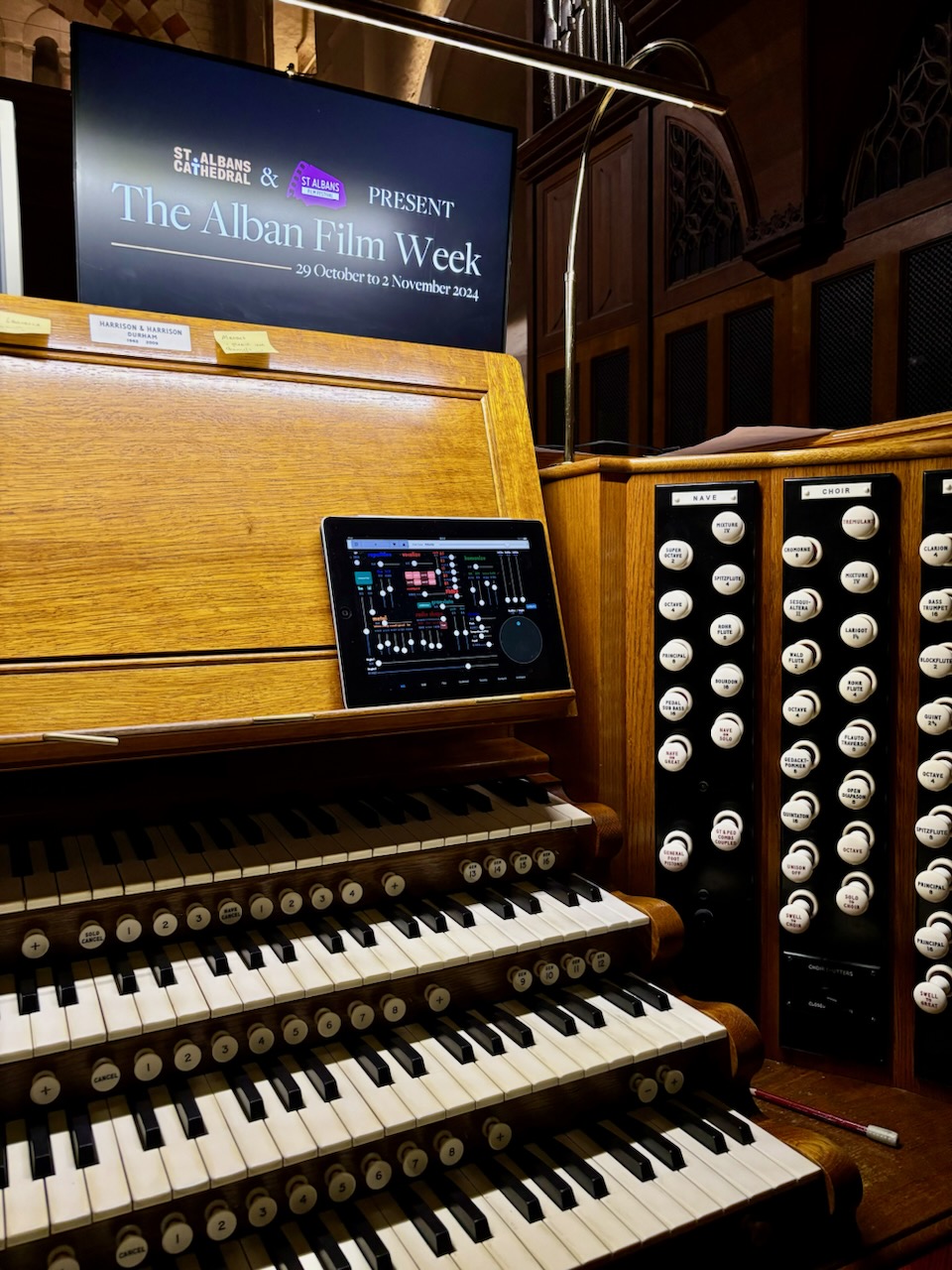
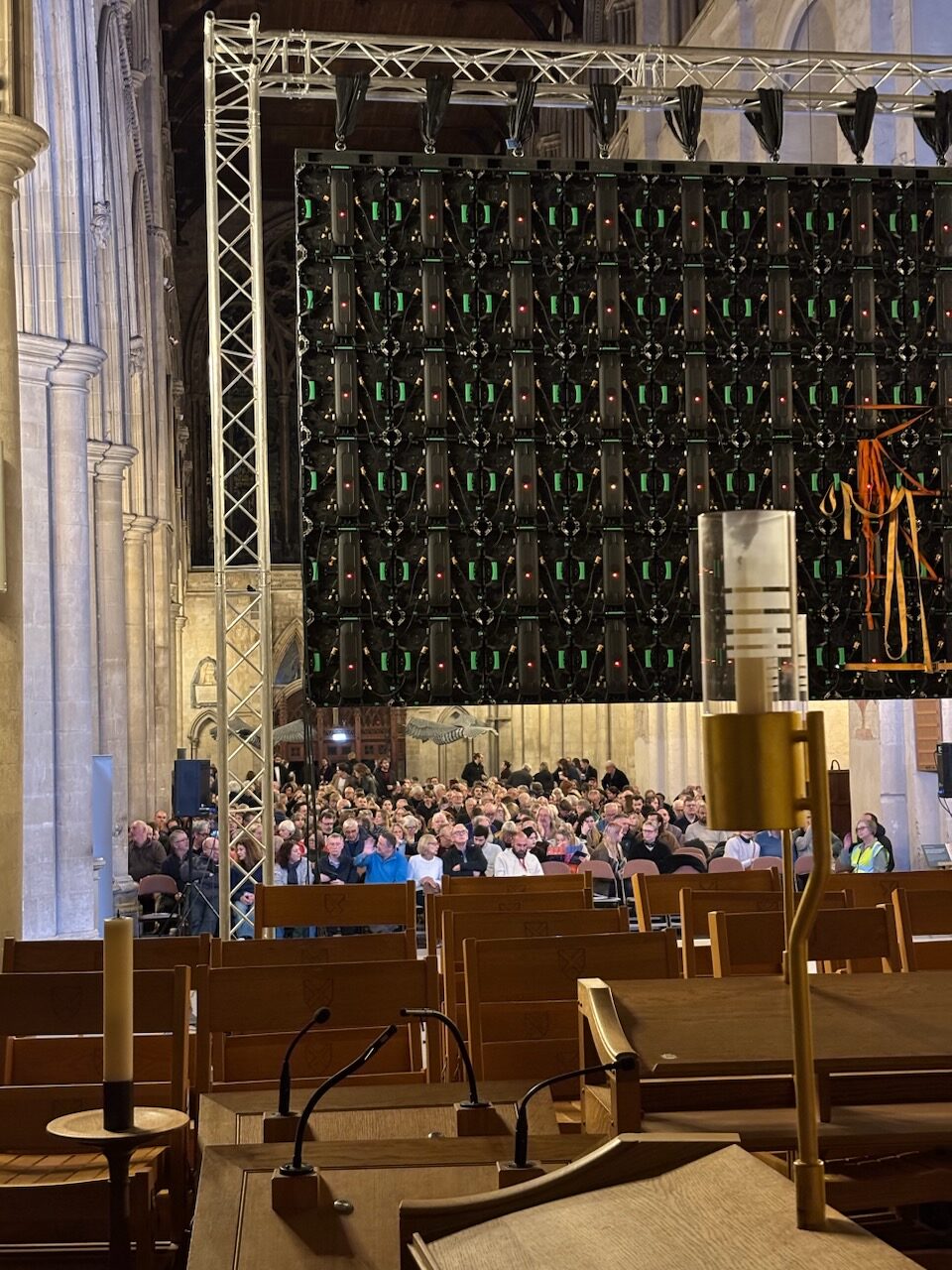
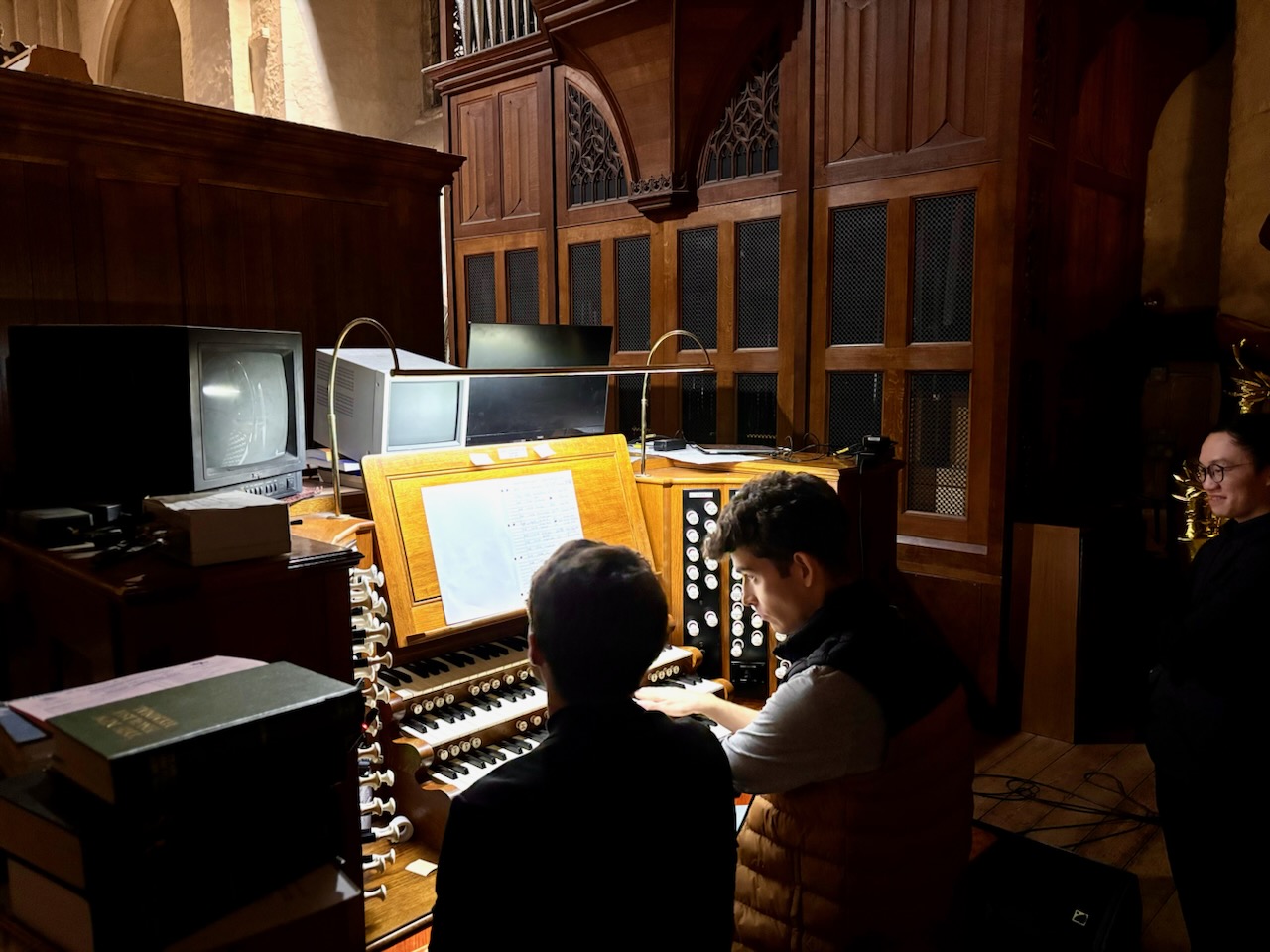
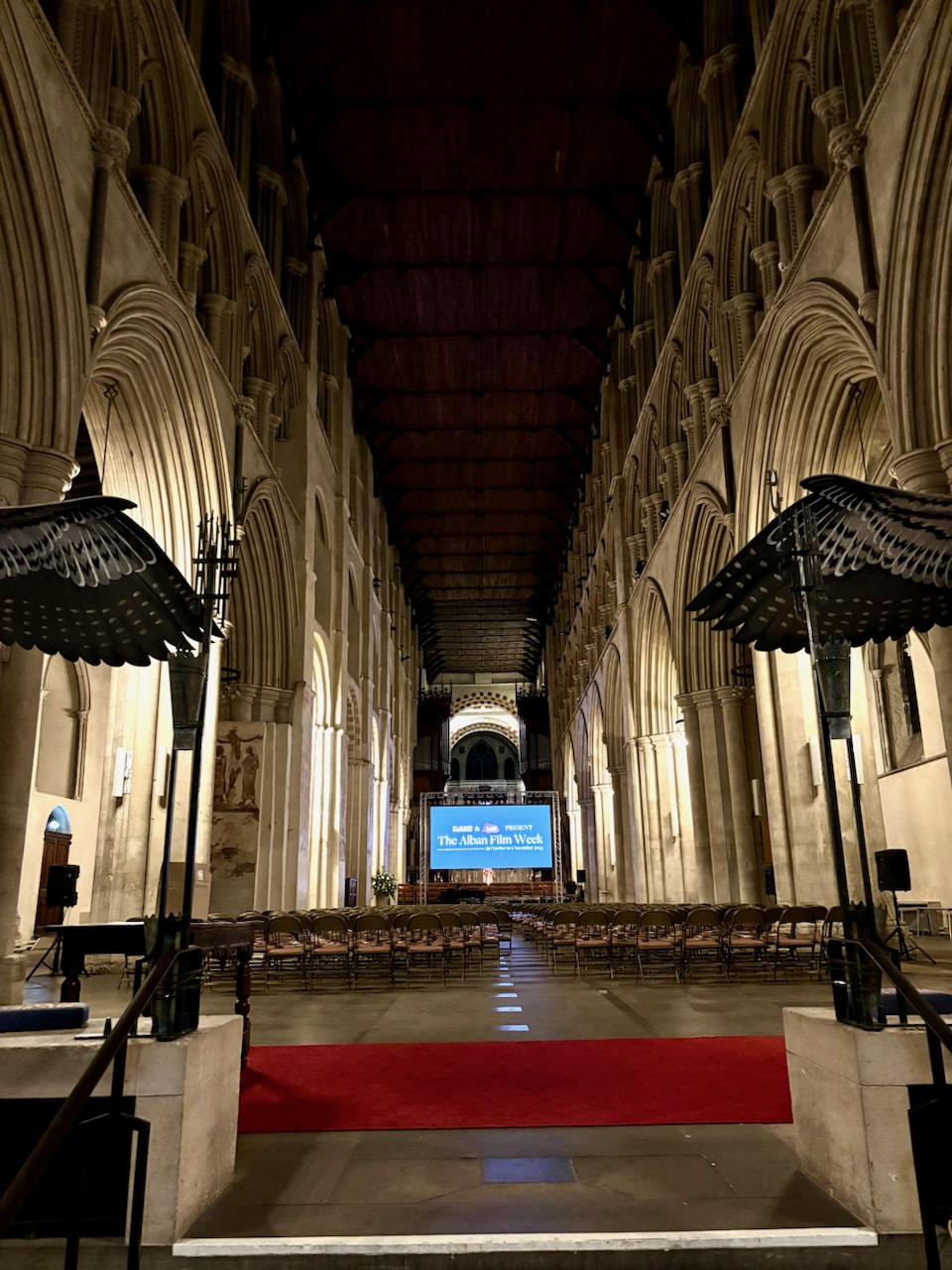
In October 2024, Franz Danksagmüller, along with his students from the Royal Academy of Music, performed a live soundtrack for pipe organ and Kyma to accompany the silent film Nosferatu twice in London: The first performance, on 4 October 2024, was at the Royal Academy, and the second performance was on Halloween at the cathedral in St. Albans to a sold-out audience and was, by all accounts, a fantastic success (resulting in some very happy students).
St. Albans organ loft during live soundtrack for “Nosferatu” with Kyma Control on the iPadAudience for the sold-out performance of Nosferatu at St. Albans (view from behind the projection screen)Students of Franz Danksagmüller performing the live soundtrack for Nosferatu at St. AlbansEntryway to St. Albans Cathedral
At the Musikhochschule Lübeck, Danksagmüller’s students in the new master’s program in Hyper-organ, Improvisation, Composition & New Media are presenting a concert for organ, Kyma and live-video on 8 December 2024 in the main concert hall at the MHK. Composer/performers include:
Sarah Proske: Emerson, Lake and Palmer´s “Fanfare for the common man for organ, percussion, live electronics
Patrycja Olszewska: Liquid Motion for organ, live electronics, video
Lennart Pries: Improvisation for the silent film “The Fall of the House of Usher (USA 1927) for organ and live electronics
Karin Lorenz: (Un-)Known for organ and electronics
Sarah Proske: smoke for organ, live electronics and video
Valentin Manß & Wojciech Buczyński: crowds, live & death, Music for (historical) silent film excerpts for organ, live electronics, video
Fabio Paiano: á la ELP for organ and live electronics
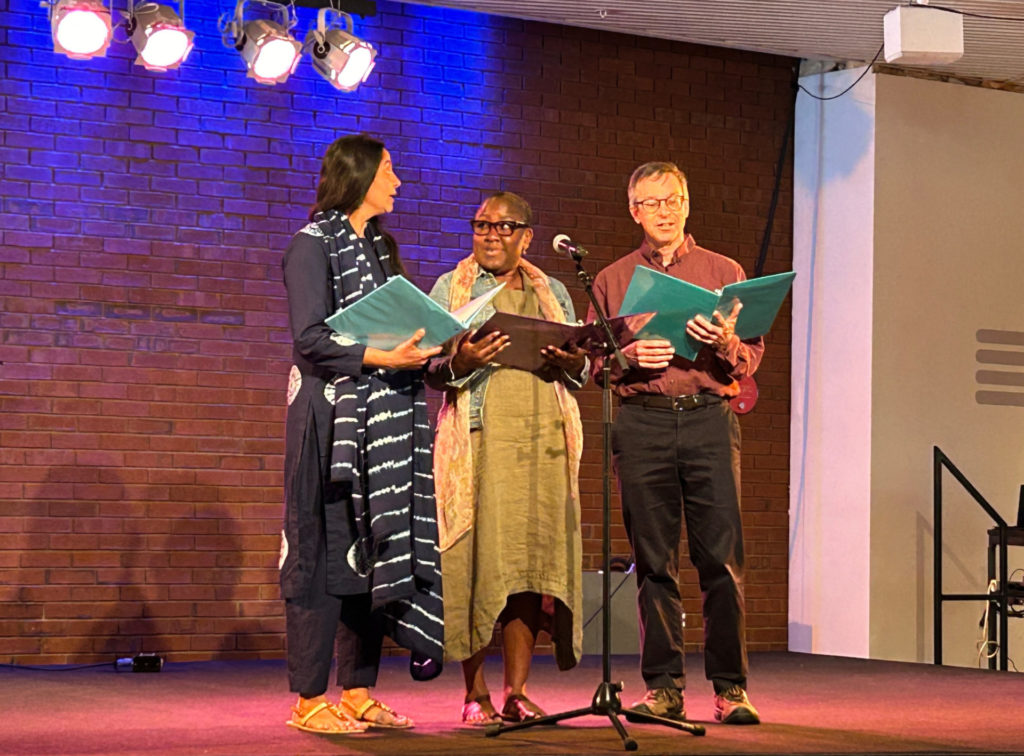
Smitha Vishveshwara, Latrelle Bright, Stephen Taylor are CASCaDe (Collective for Arts-Science, Creativity and Discovery, etc)
In the play Quantum Voyages, by Smitha Vishveshwara and Latrelle Bright, two voyagers enter the microscopic realm of atomic landscapes and quantum conundrums and, guided by Sapienza, discover a magnificent and baffling world where they confront terrifying prospects of being Dead and Alive at the same time, glide through diaphanous orbitals of atoms, levitate above superconducting surfaces, and precess through Magnetic Resonant Imaging machines. Finally they emerge, awakened to the microworlds within us and the affirmation that things are never what they seem.
Kyma is used for generating complex spectra and other sounds to represent the Schroedinger equation and for work with extended tuning systems. The premiere will be in Anaheim on 15 March 2025, with a second performance at Krannert Center for the Performing Arts at the University of Illinois on 19 April 2025.
—
* The Spinductor is an instrument that sends OSC messages to Kyma and was created by Xavier Davenport
Symbolic Sound co-founders Carla Scaletti and Kurt Hebel will be participating in the Audio Developer Conference in Bristol, UK 11-13 November 2024. The conference offers both in-person and online options. An online, pre-conference event called ADCx Gather on 1 November 2024 is free and open to the public.
Carla was asked to wrap up the conference with a closing keynote presentation entitled Sonic Cartography: how audio developers help us navigate the abstract space-time of sound and music (including a few insights into the underlying philosophy of Kyma).